🎁💐 Don't forget to get some for your family and friends as it's a unique gift idea.
✅ Guarantee! Magazine GoogleTrusted!
🛒Payment 🛒Payments via PayPal® and credit card
🚢Shipping>> Worldwide express shipping available.
👍Facebook officially recommends high-quality merchants.
💵 A security deposit of $ 100,000 has been paid to PayPal.
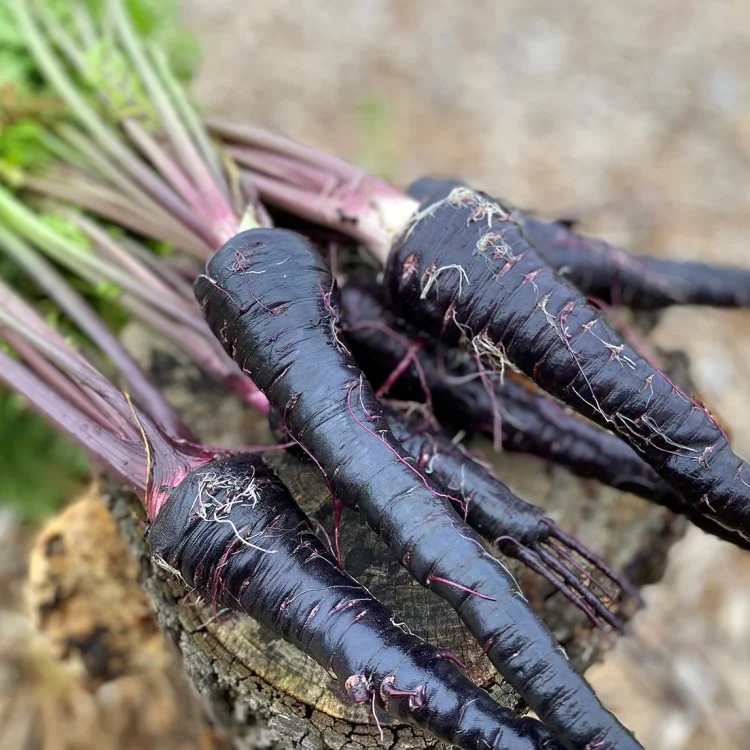
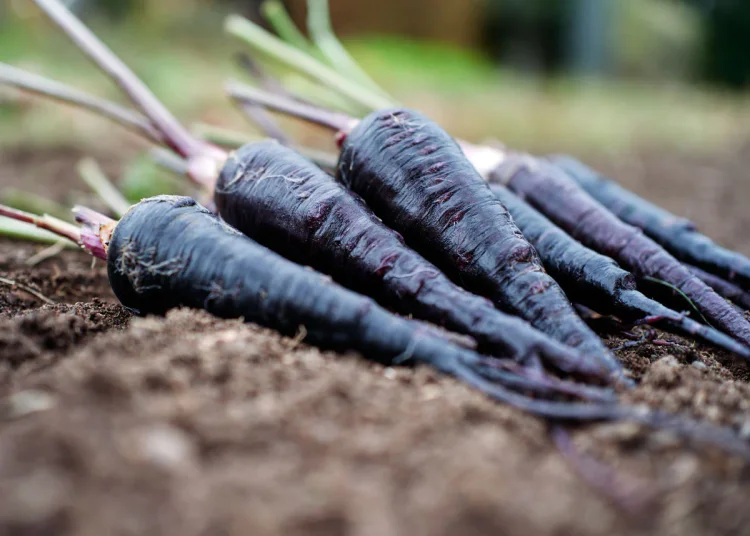
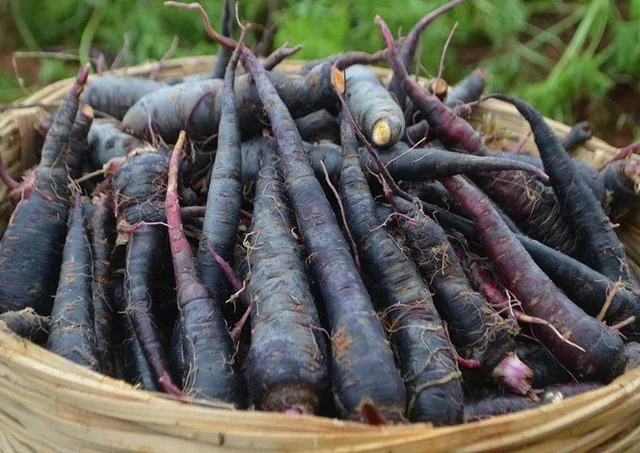
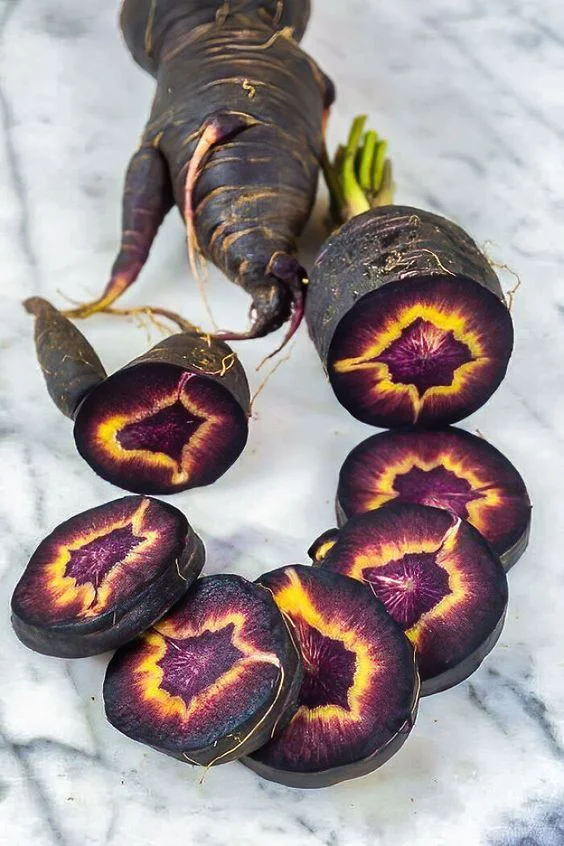
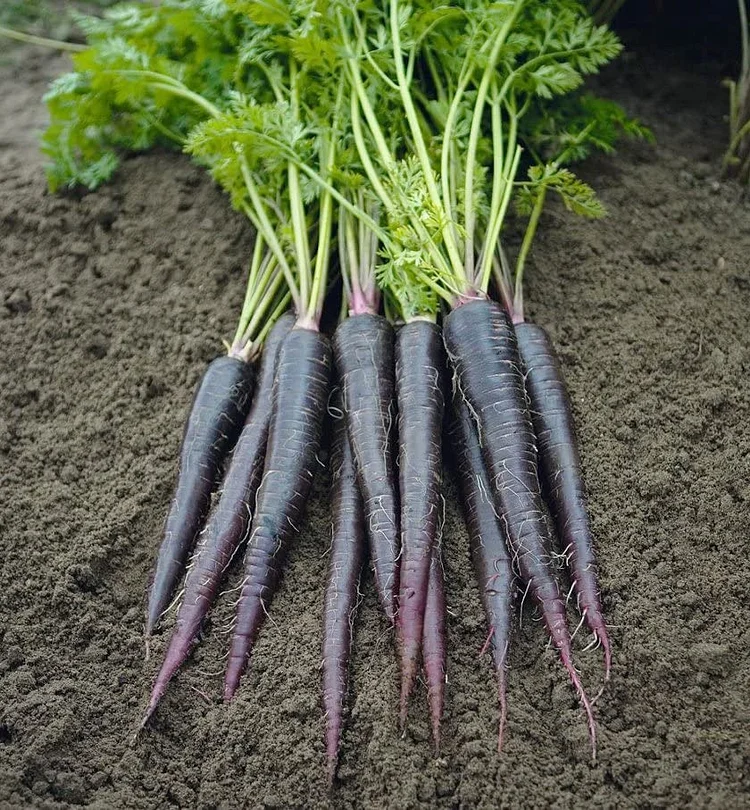
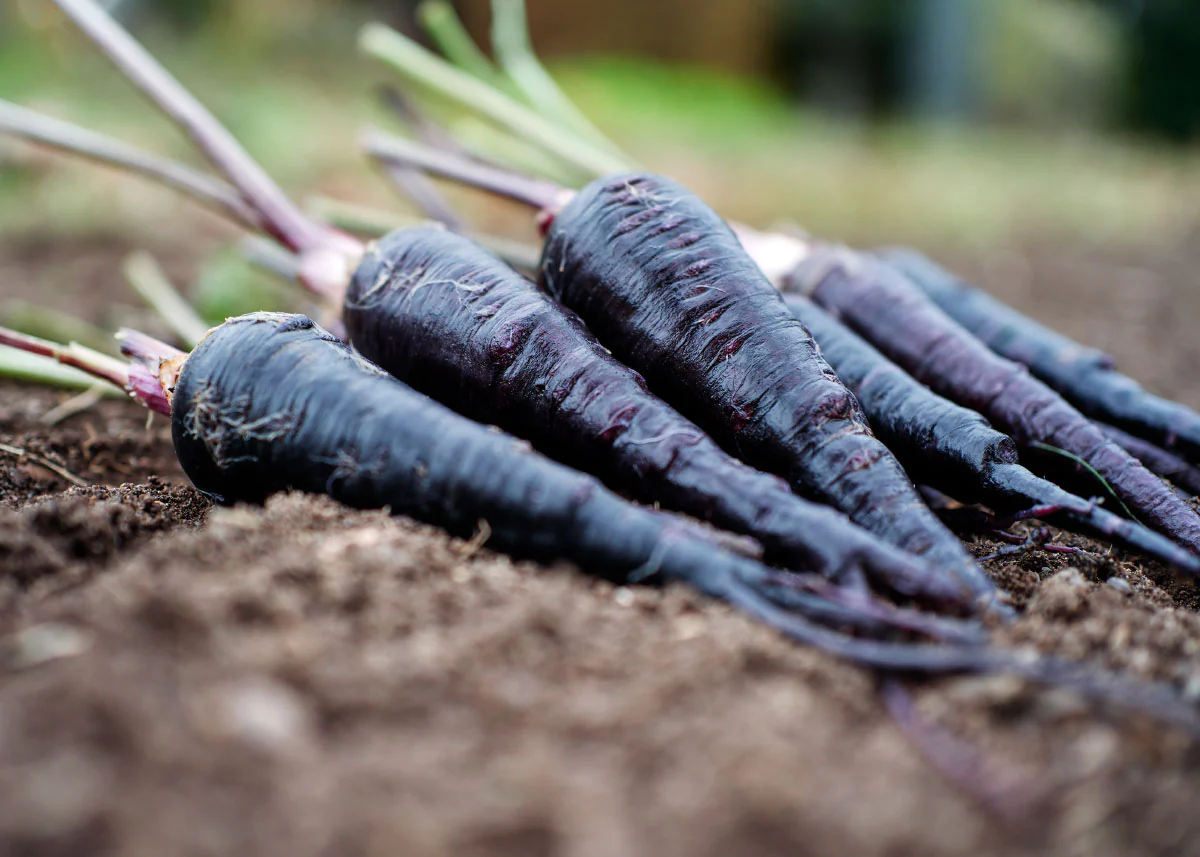
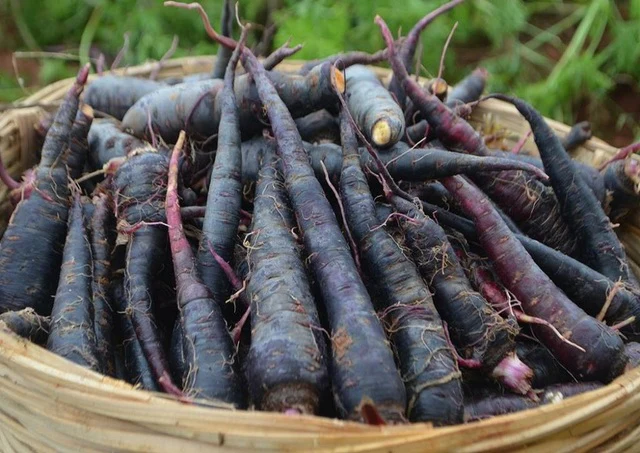
Black carrots may seem like a newfangled curiosity, but in truth, they have deeper roots (pun intended) than their orange cousins, having been cultivated in the Middle and Far East long before orange and yellow carrots were. Their purple color comes from a high concentration of anthocyanins, which are powerful antioxidants. Many so-called black carrots are deep purple on the outside with an orange core, but our Nantes-style Black Nebula is deeply purple from tip to tip.
![]()
How to grow them
Before sowing, cultivate the bed deeply and carefully to encourage root growth. Do not sow carrots in freshly manured soil because they will split (grow into odd shapes). Keep the soil moist until germination. Thin the seedlings to 1 to 2 inches apart so each one has room to grow and nutrition. Later, thin to the preferred variety or mature size. Tomatoes like carrots nearby: they seem to increase tomato yields. The carrot has come a long way from its ancient wild days when its leaves and seeds were more popular than its nearly inedible taproot. Today, sweet, crisp carrots come in all sizes, shapes and colors. Along with celery and onions, carrots make up the fragrant French mirepoix, the flavor base of stocks, soups, stews and sauces. Rich in beta-carotene, vitamin A, antioxidants and minerals, non-starchy carrots are high in sugar, which explains their delicious roasted caramel flavor. We love them steamed, braised and spiced, roasted, reduced into smooth soups and sweet-and-savory flans, grated raw into salads, juiced or mashed with potatoes. Deer-resistant.
Carrots, like parsley, dill and other Umbellifers, can be difficult to germinate when sown directly outdoors. To speed things up, be sure to keep the seedbed continually moist until the sprouts emerge.
![]()
Planting Depth: 1⁄4 inch
Row Spacing: 12 inches
Seed Spacing: 1 to 2 inches
Days to Germination: 14 to 21 days
Germination Temperature: 45° to 85°F
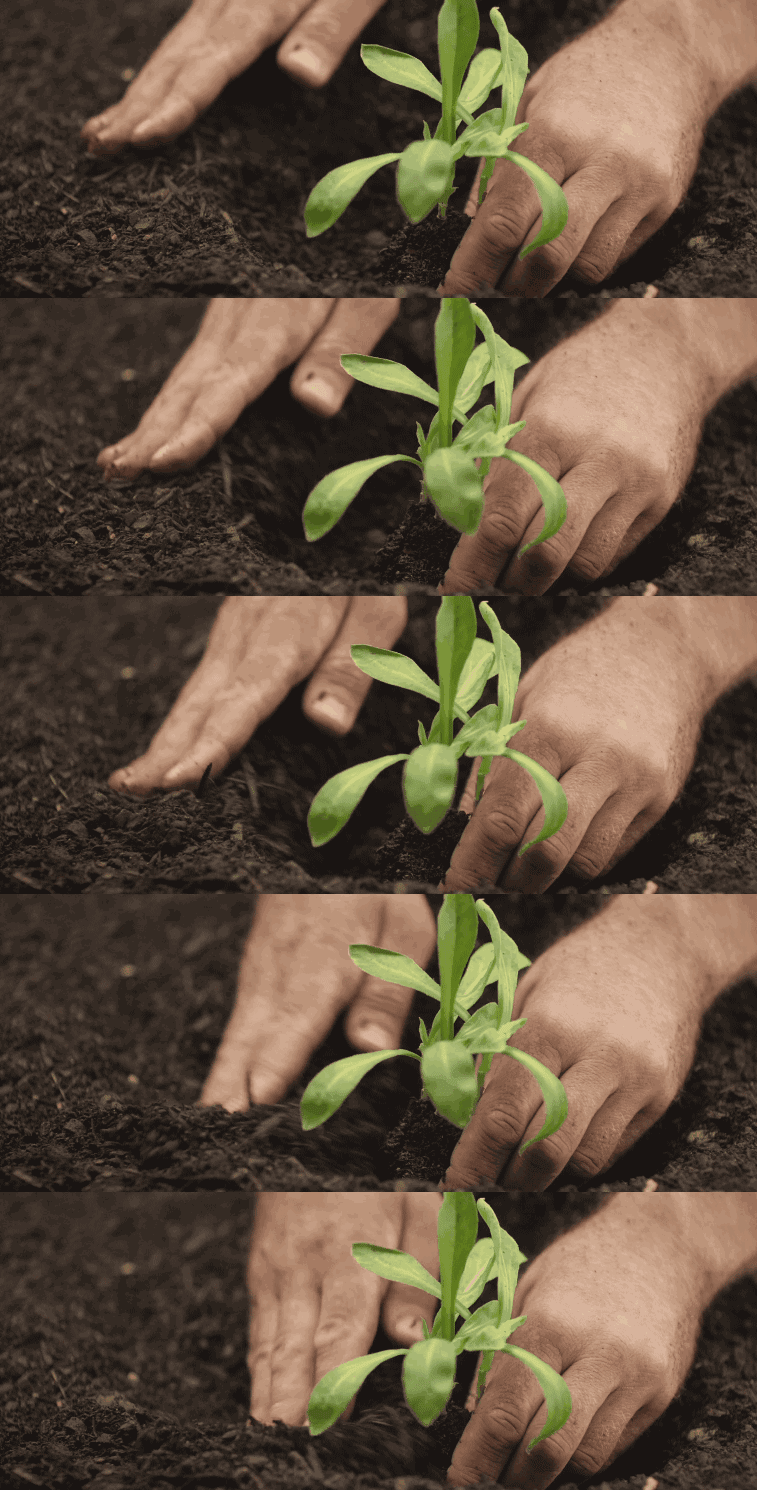
Carrots grow best in moderately fertile, sandy, well-drained soil. Sow seeds thinly in rows when the soil has reached a temperature of 45°F, usually as soon as the soil can be worked in the spring. Or mix the seeds with fine sand for easier seed distribution. Barely cover with fine soil, tamp down lightly, and water with a light spray. Your challenge: hold the seeds in place while keeping the surface soil from drying out and crusting!
Until the seeds germinate, keep the soil moist with frequent, light watering. The first thinning should be 1 to 2 inches apart. Later, thin as desired depending on the variety. Frequent weeding and watering
![]()






(1).jpeg?w=768&h=768)