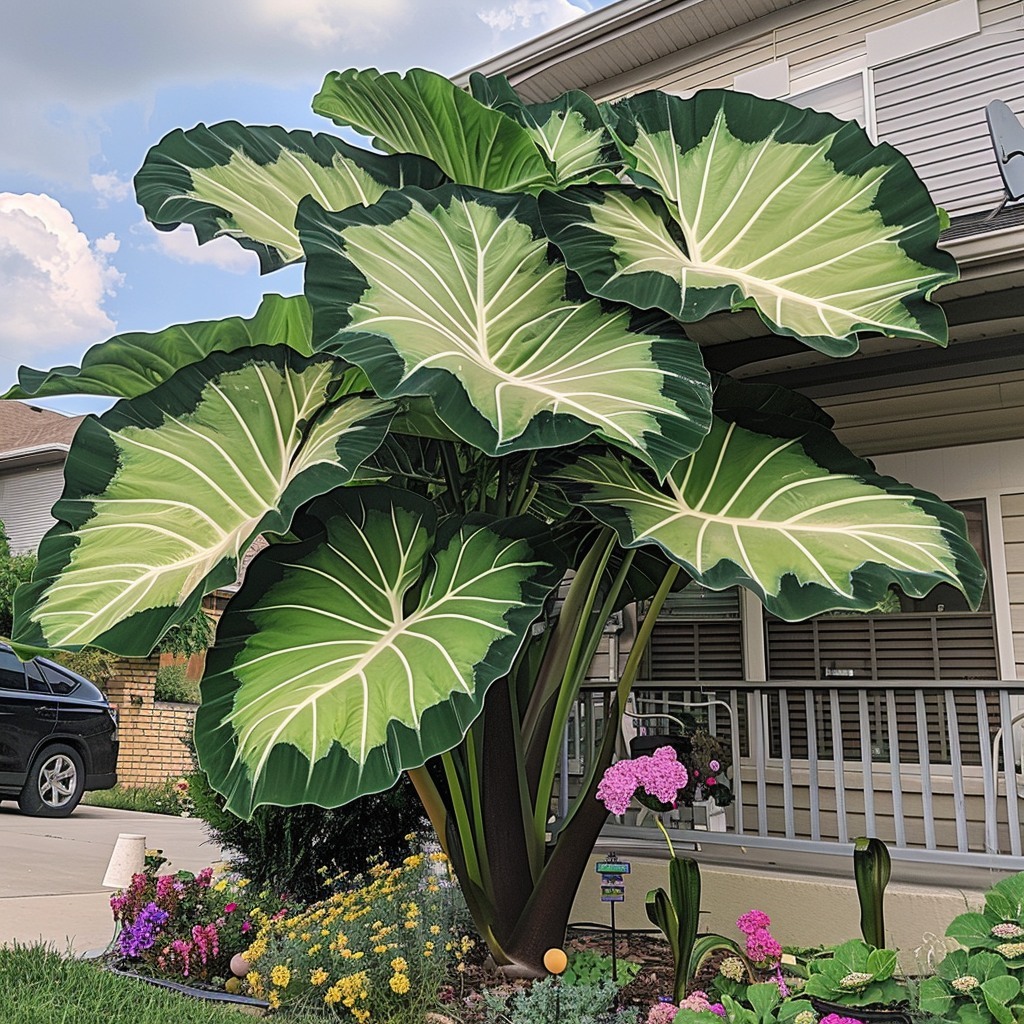
🎁💐 Don't forget to get some for your family and friends as it's a unique gift idea.
✅ Guarantee! Magazine GoogleTrusted!
🛒Payment 🛒Payments via PayPal® and credit card
🚢Shipping>> Worldwide express shipping available.
👍Facebook officially recommends high-quality merchants.
💵 A security deposit of $ 100,000 has been paid to PayPal.
Description
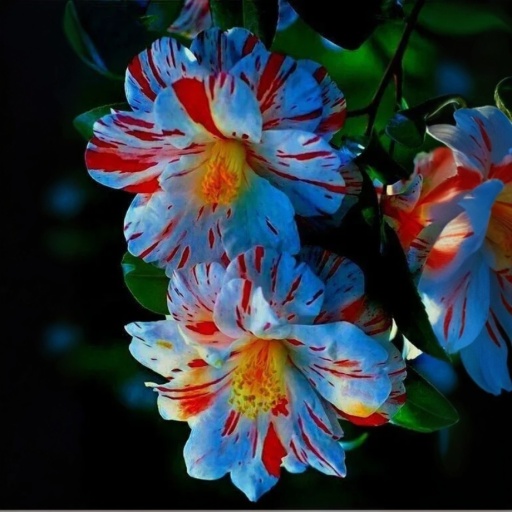
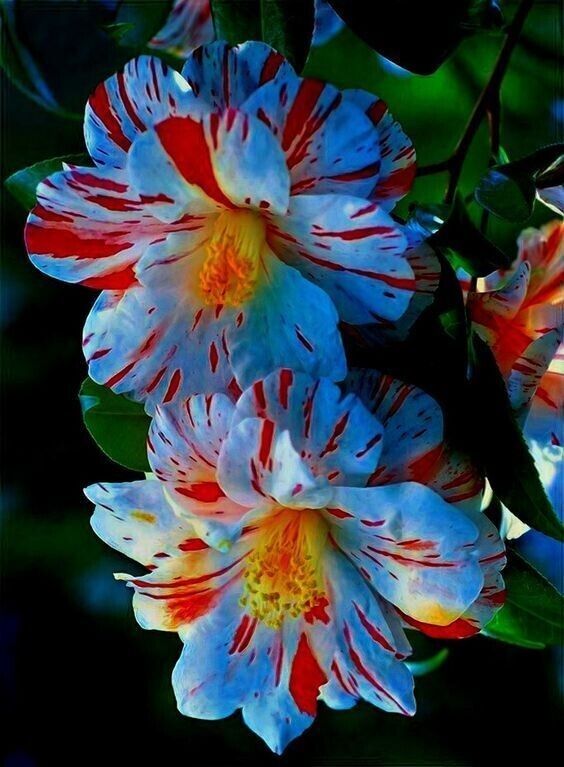
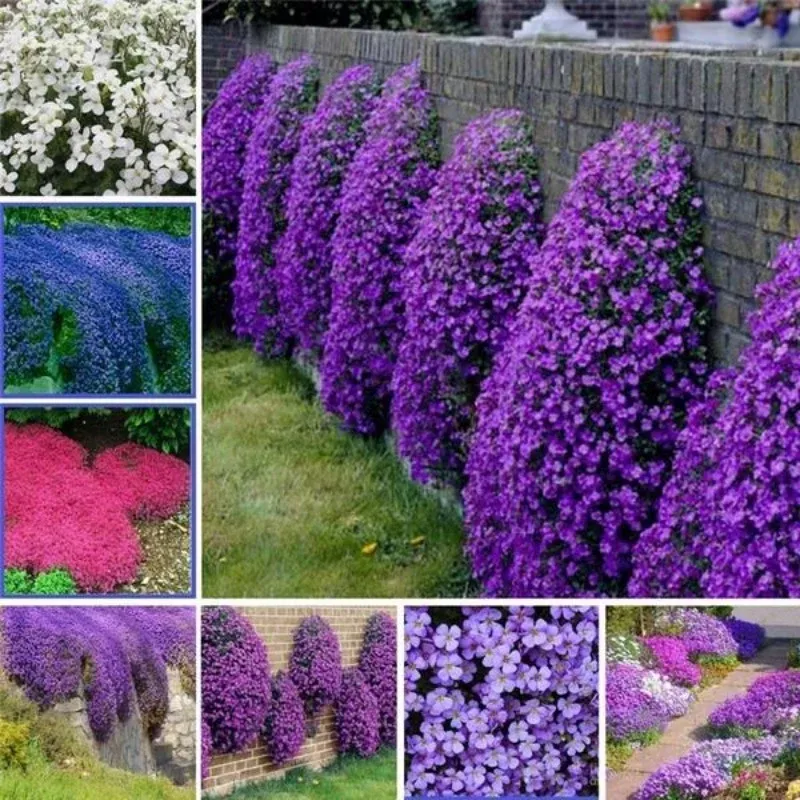
Blue and Red Hibiscus, known for its vivid unical petals, produces large, trumpet-shaped flowers that can range from 4 to 10 inches in diameter. This species thrives in warm climates and is native to Australia. It's drought-tolerant once established and prefers full sun and well-drained soil. It can grow as a shrub or small tree. It can be pruned to maintain a more compact shape. Apart from its ornamental value, the red hibiscus is also used in making hibiscus tea and for its medicinal properties in some cultures.
Prepare the planting tray.
Fill a planting tray with moist seed-starting mix, usually a soilless product that combines perlite, vermiculite and peat moss. Sow the seeds 1/4 inch deep, packing the moist seed-starting mix over the seed. Place one seed per cell if your seed tray has inserts that hold the mix in compartments 1 to 2 inches apart. Otherwise, sow the seeds a few inches apart so the seedlings are easy to remove later.
Keep them warm.
Place the tray on a waterproof greenhouse heating mat set to 68 to 72 degrees Fahrenheit or in a room with the same temperature range.
Keep the moisture
Cover the tray with its included clear plastic dome or with plastic wrap to maintain humidity. Check the seed tray regularly for one to three weeks, the time it takes for the seeds to germinate. Make sure the soil is moist but not soggy. Overly wet soil can cause the seeds to rot before they germinate. Remove the plastic when the plants emerge and move the tray to a location where it receives bright, indirect light.
Apply fertilizer
Apply a balanced, water-soluble fertilizer mixed at half its recommended strength with every second watering after the seedlings produce their first true leaves—the first pair of leaves after the initial leaves that emerge at germination. Water enough to keep the potting mix evenly moist, without letting it dry out or become soggy. Transplant the seedlings into separate 1-gallon containers filled with standard potting mix when they have at least three sets of leaves. Allow them to grow in a sheltered area for several weeks before transferring them to their permanent outdoor location when all danger of frost has passed.
![]()






(1).jpeg?w=768&h=768)