🎉 Free Shipping on Orders Over €29
✈️ Buy $60 and get $20 off 💰
Conospermum triplinervium Seeds
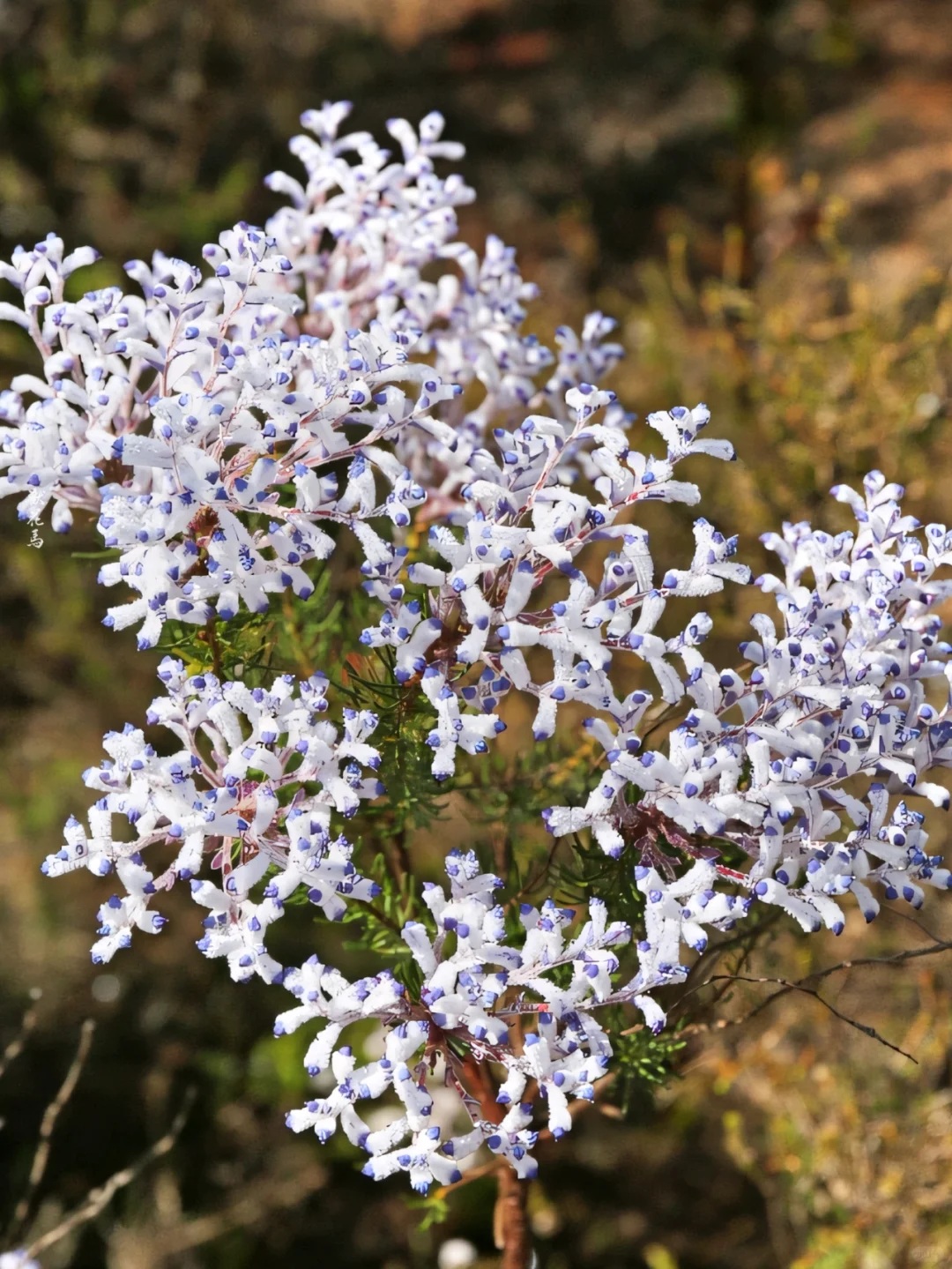
🌿✨ Pale Blue Mist | Western Australia's Enchanting "Fairy of the Fog" ✨🌿
Botanical Name: Conospermum triplinervium
Family: Proteaceae
Native Habitat: Endemic to Western Australia, thriving in the biodiverse southwest region.
![]()
![]()
Nature's Ethereal Showstopper
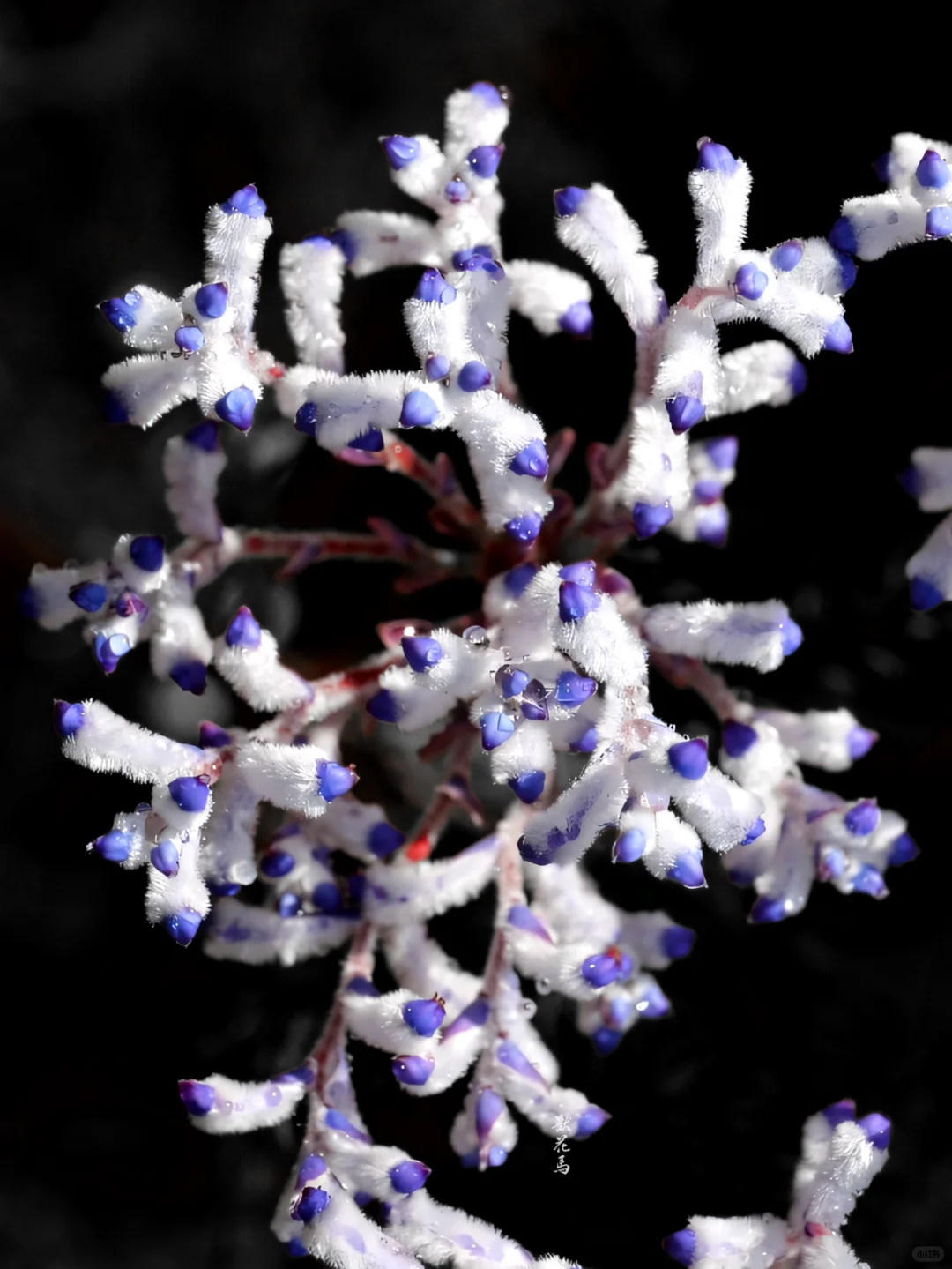
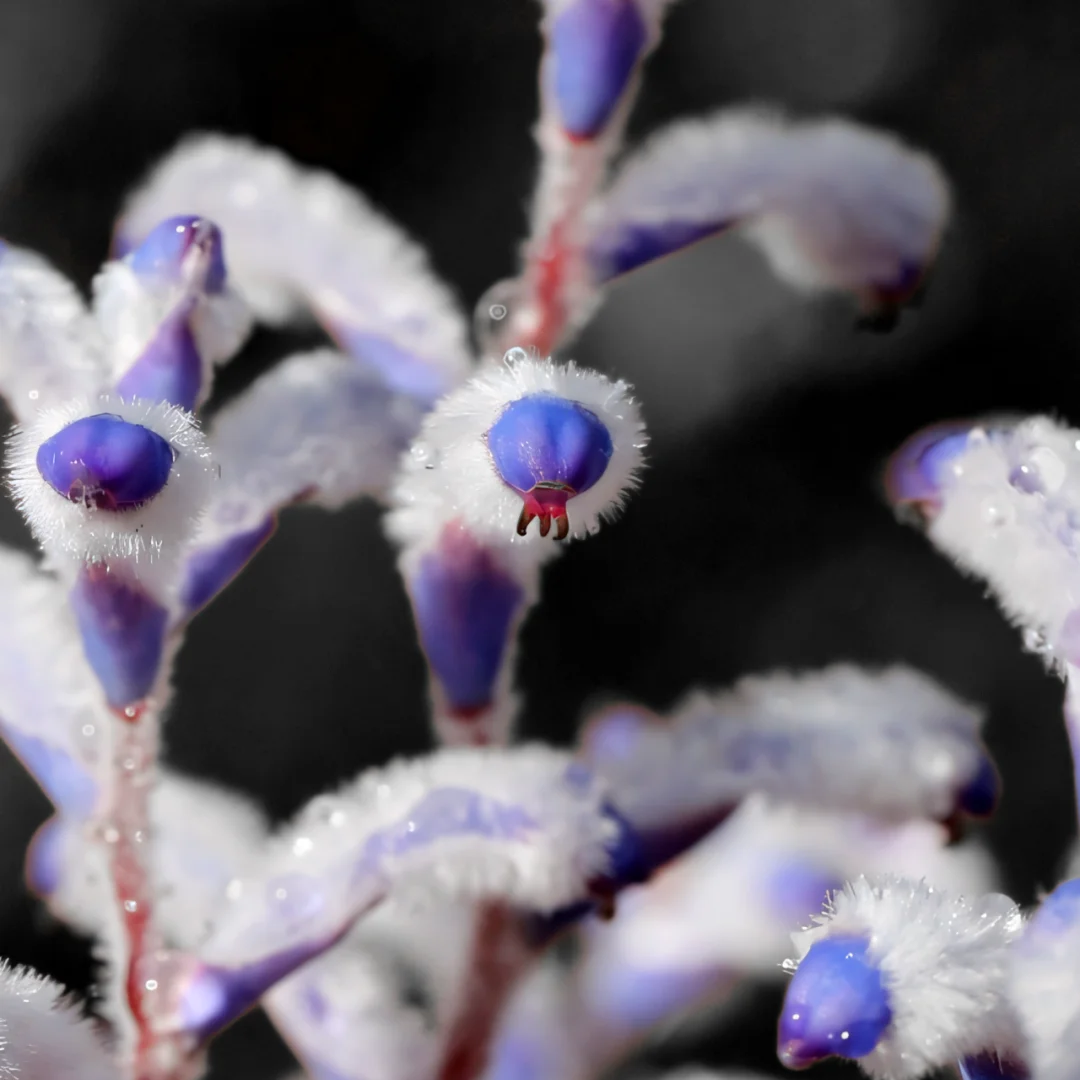
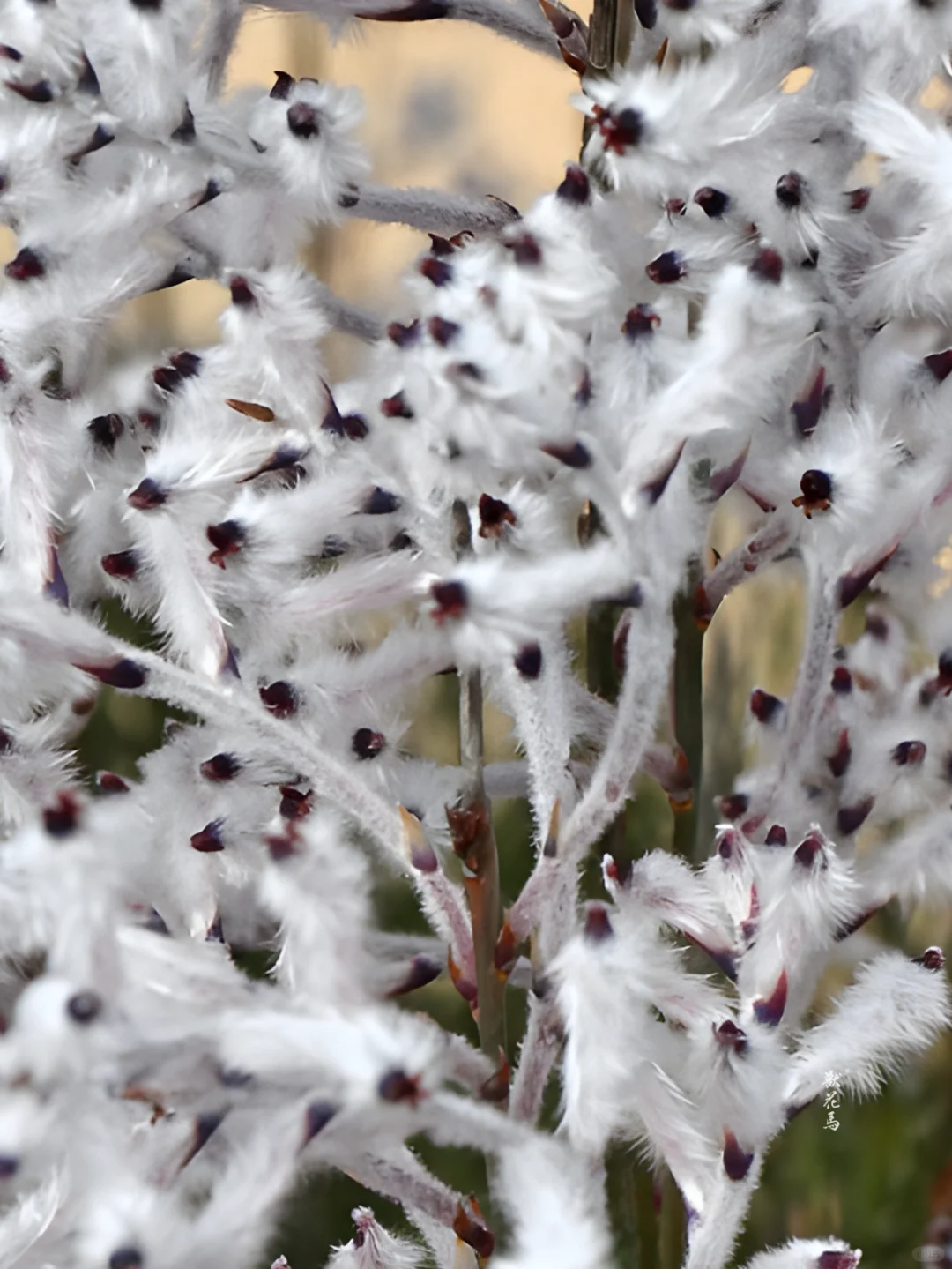
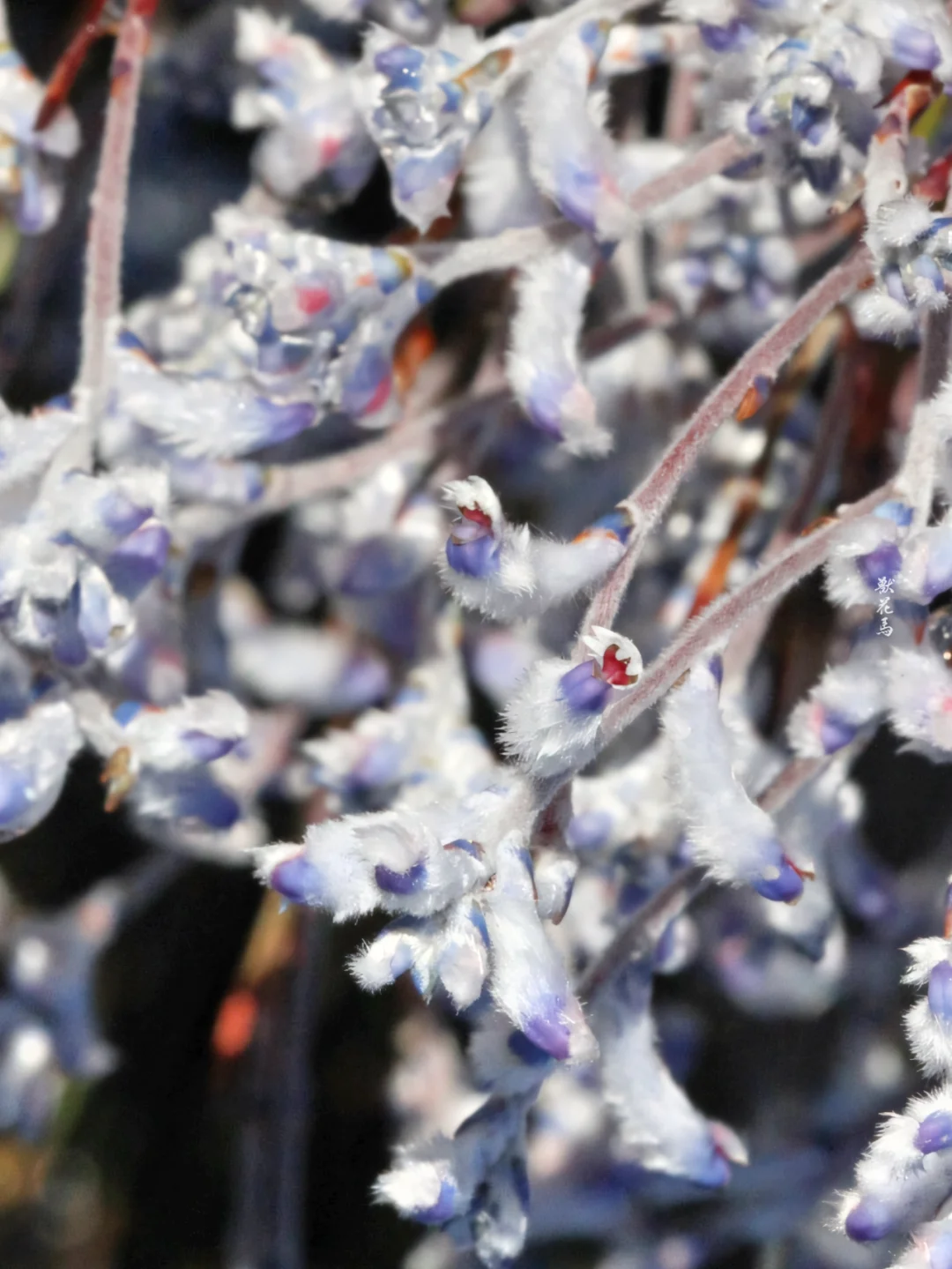
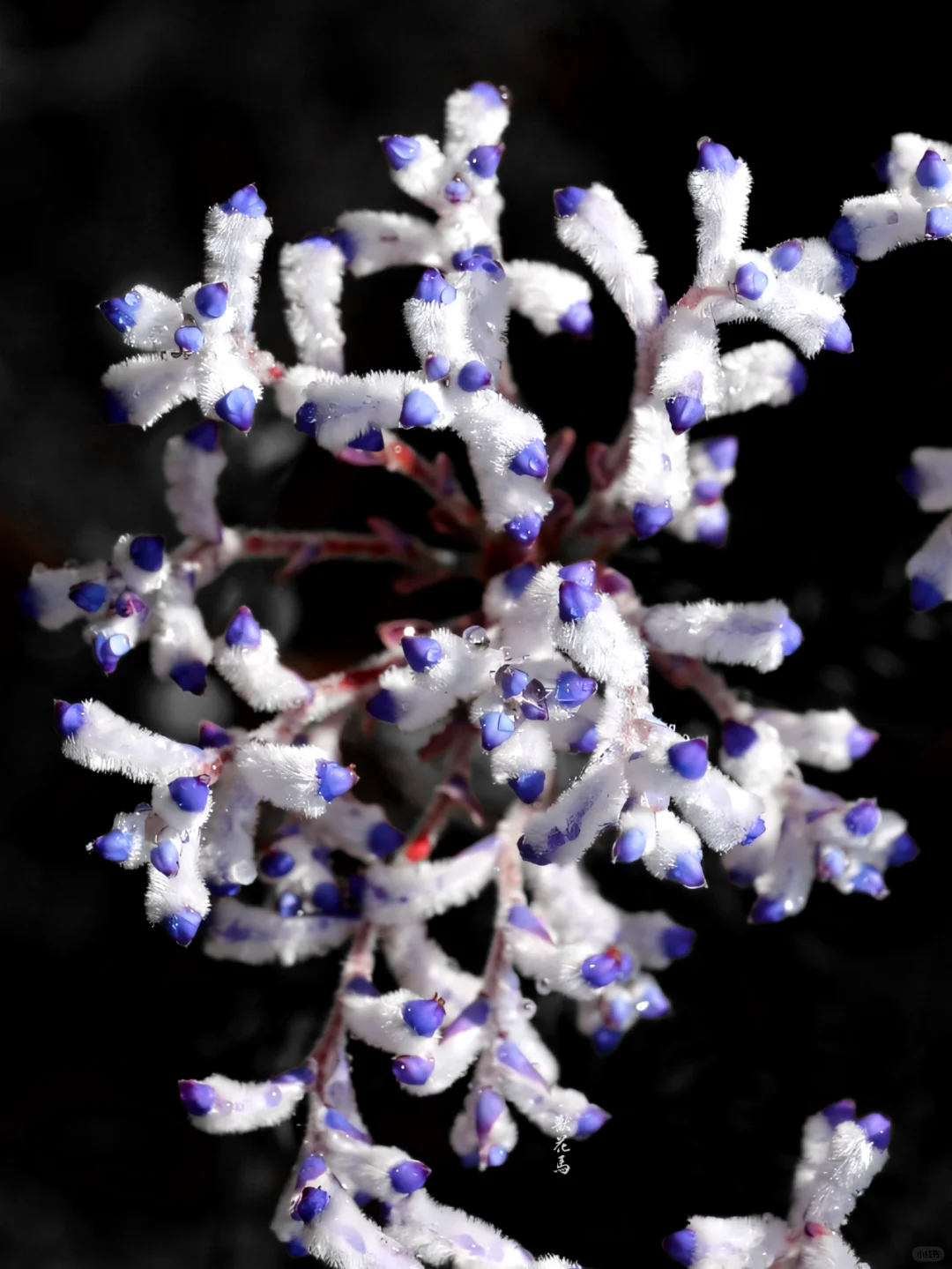
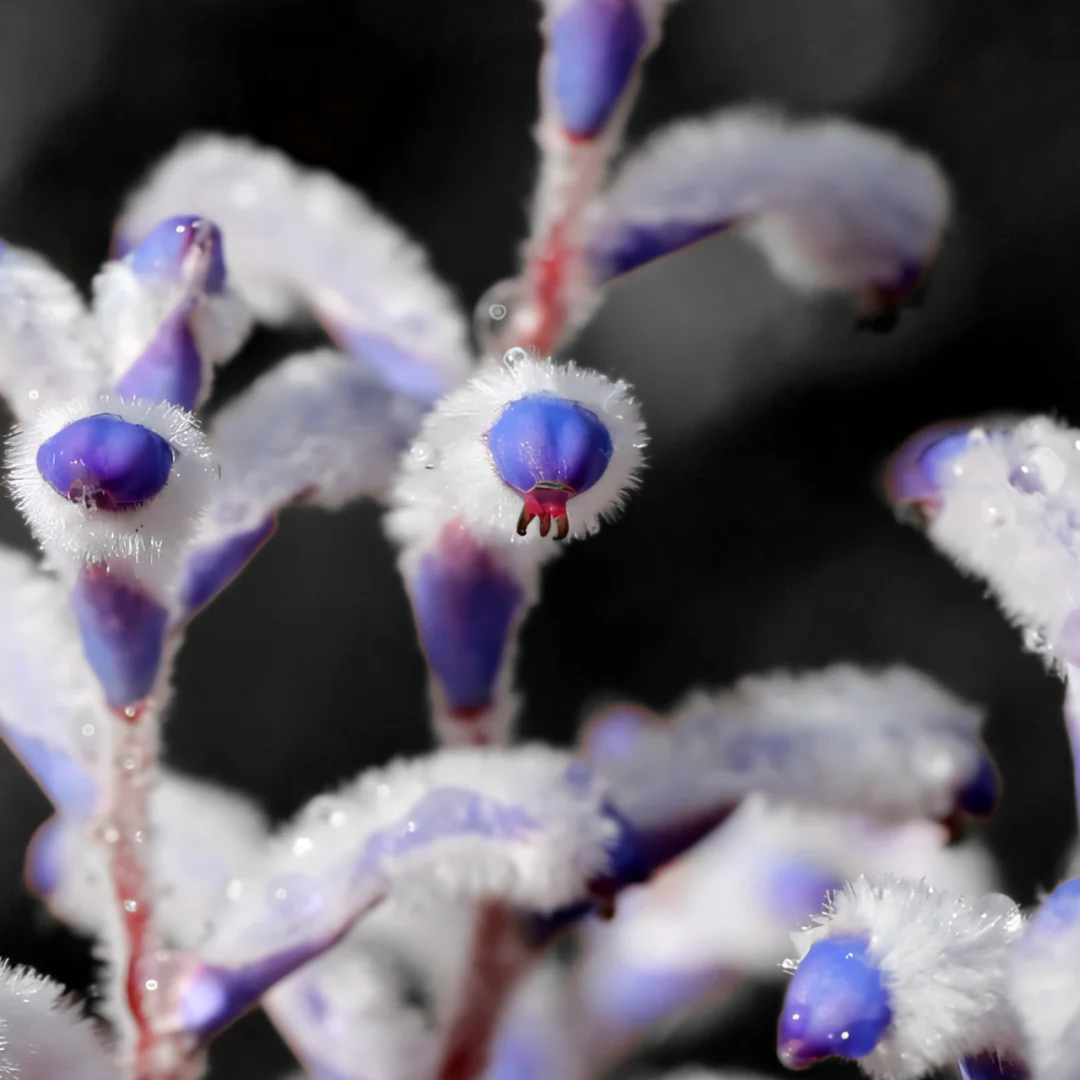
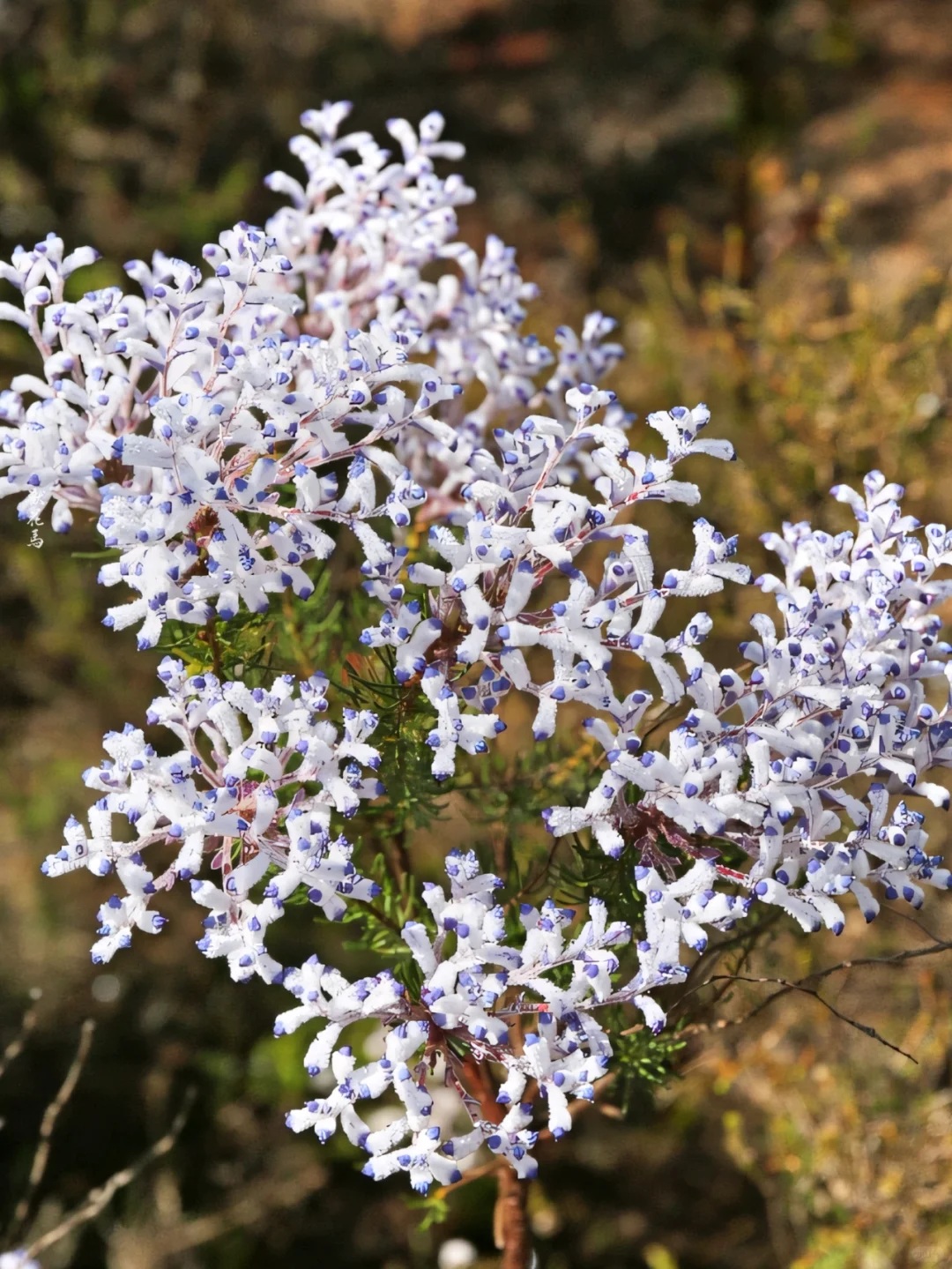
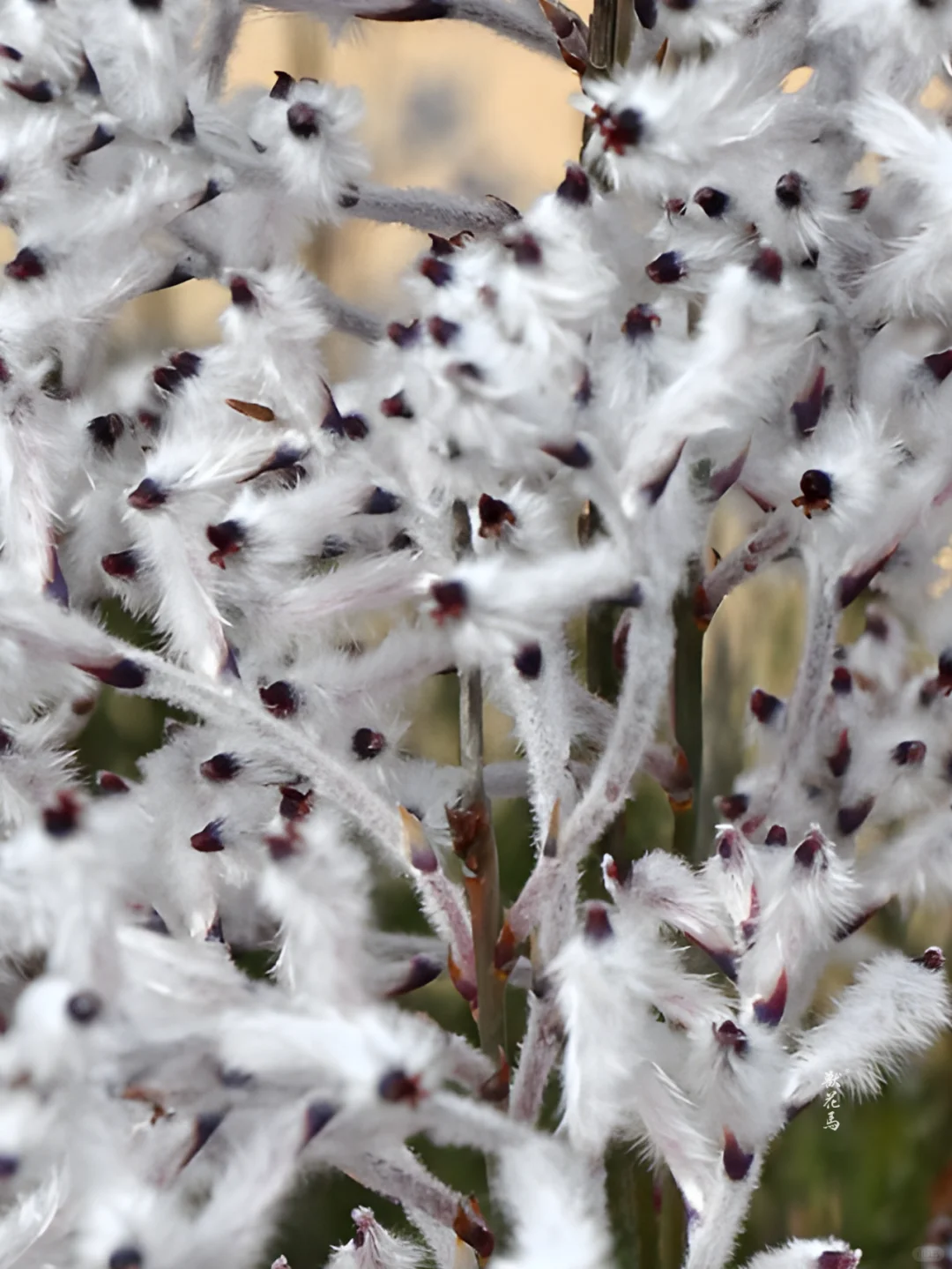
Witness the mesmerizing beauty of the Smokebush, a plant that transforms gardens into dreamlike landscapes. In spring, its velvety blue-white flower clusters burst into bloom, cascading like a delicate haze of pale blue mist over slender branches. Up close, the fluffy blooms resemble a soft cloud, while from afar, they create an illusion of ethereal smoke—earning its poetic nickname, "Fairy of the Fog." A favorite among photographers and nature lovers, this plant adds a magical, soft-focus glow to any setting.
"Who said smoke must be gray? This whisper of blue is nature’s own masterpiece."
![]()
Key Features
✅ Exclusive Rarity: A Western Australian native, rarely found outside its natural habitat.
✅ Visual Drama: Blue-white blooms that enchant from spring into early summer.
✅ Garden Star: Perfect for ornamental borders, native gardens, or as a sculptural focal point.
![]()
Gardening Guide for Success
🌱 Soil Requirements
-
Type: Well-draining sandy or gravelly soil is essential. Avoid heavy clay or water-retentive mixes.
-
pH Level: Prefers slightly acidic to neutral soil (pH 5.5–7.0). Test soil before planting and amend with organic matter or sand if needed.
-
Drainage: Ensure excellent drainage to prevent root rot. Raised beds or slopes are ideal for mimicking its native habitat.
☀️ Light & Temperature
-
Sun Exposure: Full sun (6–8 hours daily) is critical for optimal flowering and maintaining the bloom’s signature pale blue hue.
-
Temperature Range: Thrives in Mediterranean climates with warm, dry summers (20–30°C / 68–86°F) and mild winters (5–15°C / 41–59°F).
-
Frost Tolerance: Not frost-hardy. Protect from temperatures below 5°C (41°F). In cooler zones, grow in containers and move indoors during winter.
💧 Water & Humidity
-
Watering: Drought-tolerant once established. Water deeply but infrequently during the first year to encourage deep roots. Reduce watering in winter.
-
Humidity: Low to moderate humidity preferred. Avoid planting in humid coastal or tropical regions, as excess moisture promotes fungal diseases.
-
Dry Periods: Tolerates summer dryness but benefits from occasional light watering during prolonged droughts.
❄️ Seasonal Care
-
Spring/Summer: Peak growing season. Apply a low-phosphorus, slow-release native plant fertilizer in early spring.
-
Autumn/Winter: Reduce watering and shield from rain in wet climates. Mulch lightly with gravel or sand to insulate roots without trapping moisture.
🌱 Propagation Tips
-
Seed Sowing:
-
Pre-treatment: Smoke treatment or soaking in warm water for 24 hours may improve germination rates (mimics natural bushfire conditions).
-
Soil Mix: Use a sterilized, sandy seed-raising mix.
-
Temperature: Maintain 15–20°C (59–68°F) for germination, which can take 3–12 weeks.
-
Moisture: Keep soil lightly moist but never soggy. Cover trays with a humidity dome initially, then gradually increase airflow.
⚠️ Pest & Disease Management
-
Common Issues: Root rot (from overwatering), powdery mildew (in stagnant air).
-
Prevention: Ensure good airflow, avoid overhead watering, and space plants adequately.
A Note for Gardeners:
This species rewards patience and attention to detail. While challenging, mastering its care connects you to the rugged beauty of Western Australia’s wilderness. Perfect for gardeners seeking a unique, conversation-starting native! 🌿💙
![]()





(1).jpeg?w=768&h=768)