🎉 Free Shipping on Orders Over €29
✈️ Buy More, Save More 💰
![Phlox Archives - Gardenia]()
What Should you Grow Creeping Phlox?
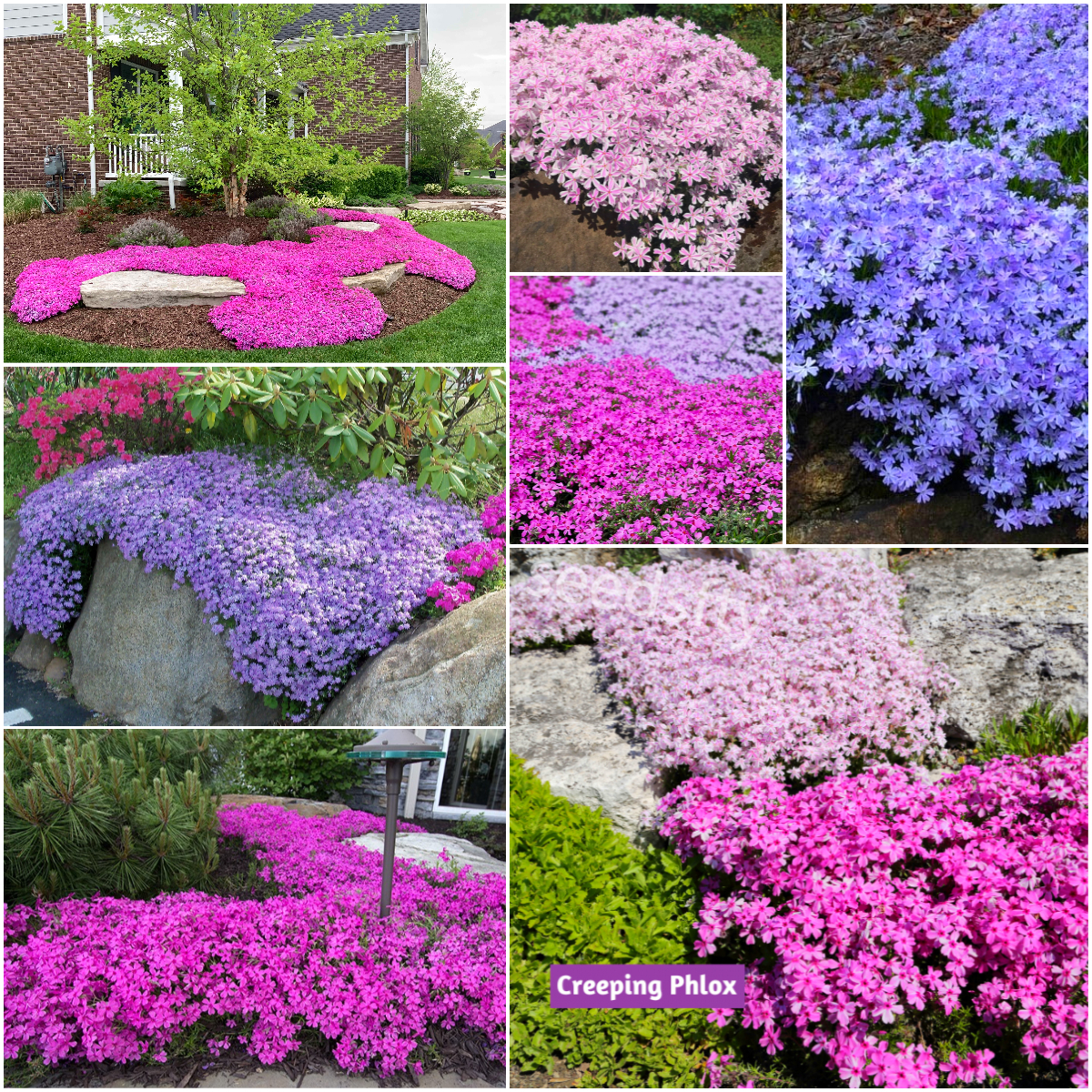
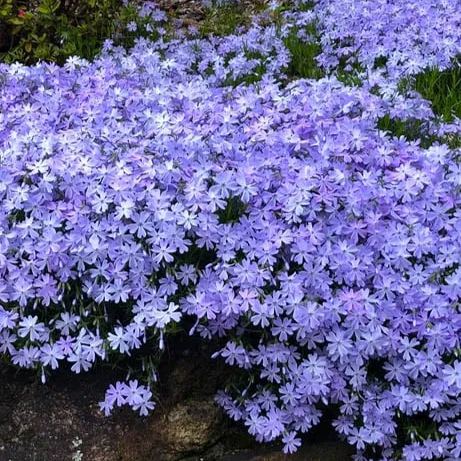
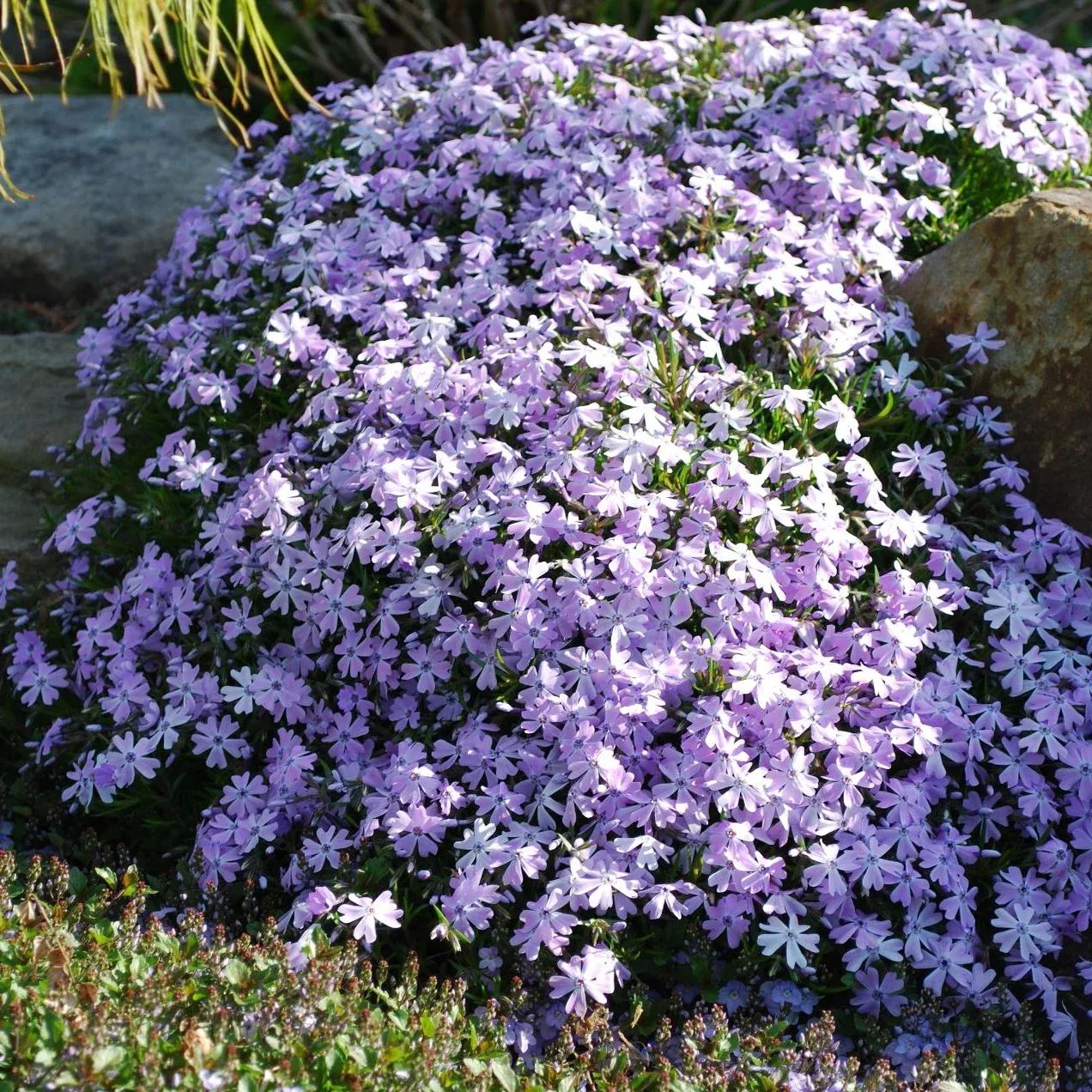
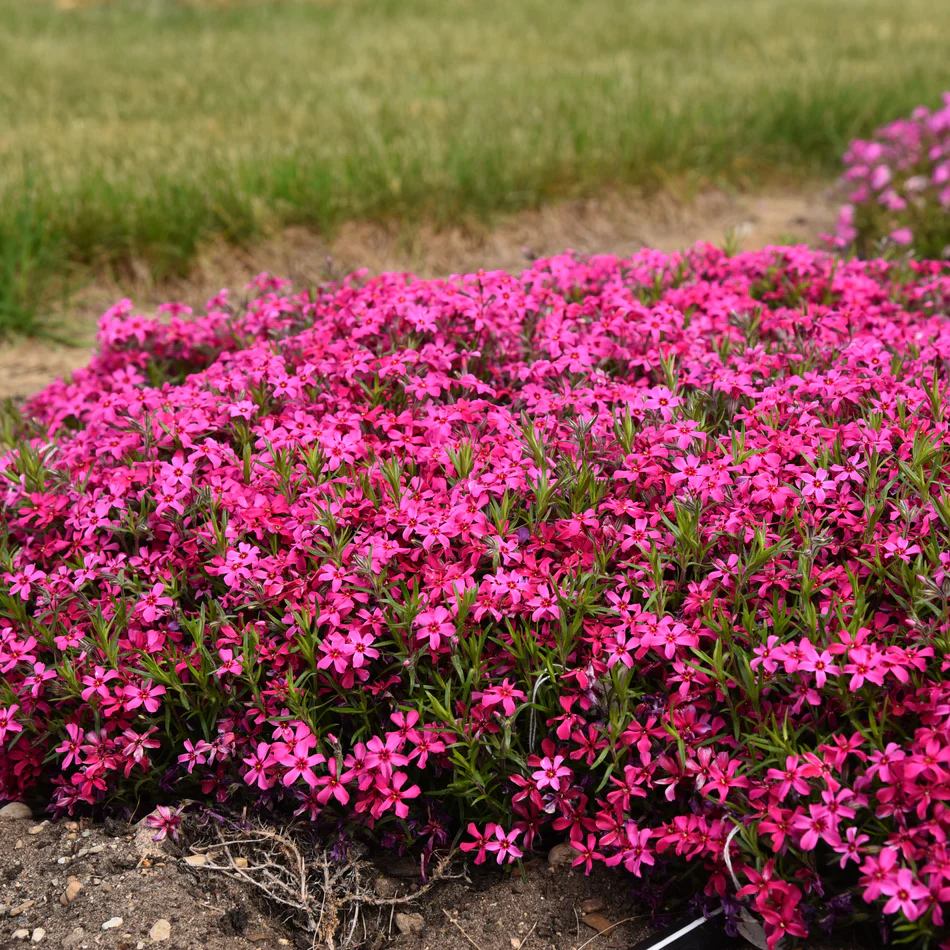
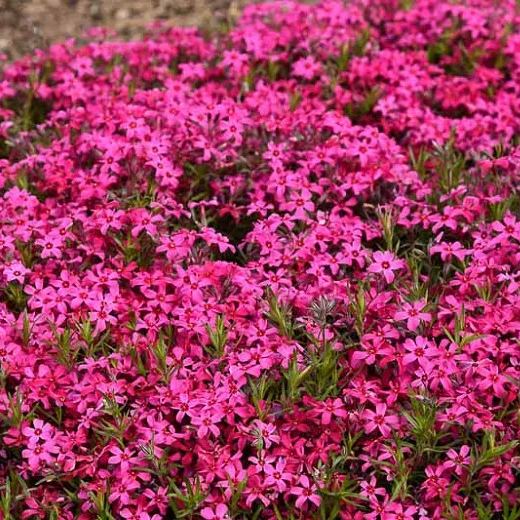
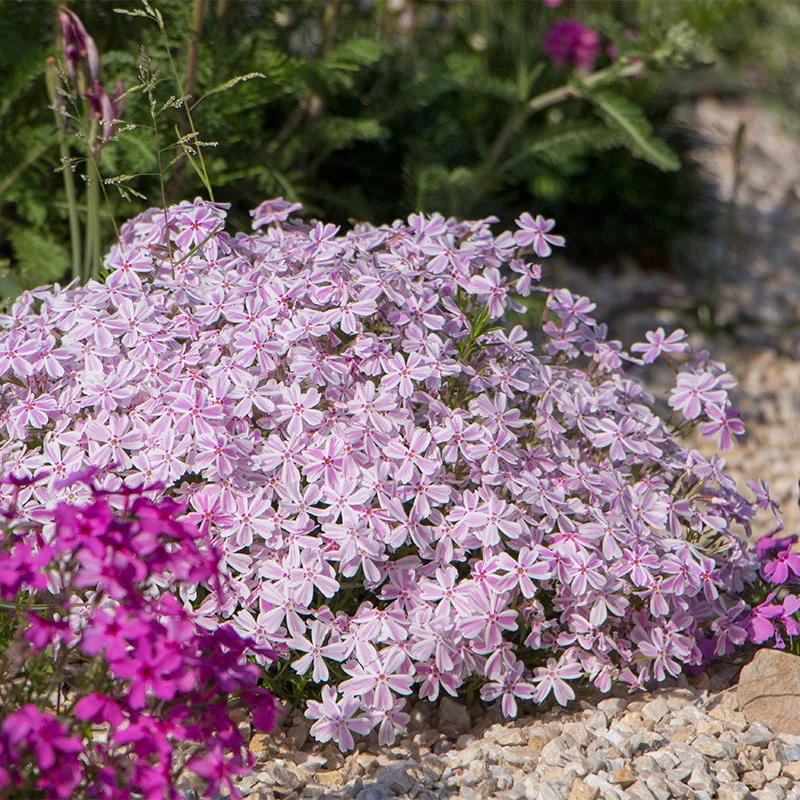
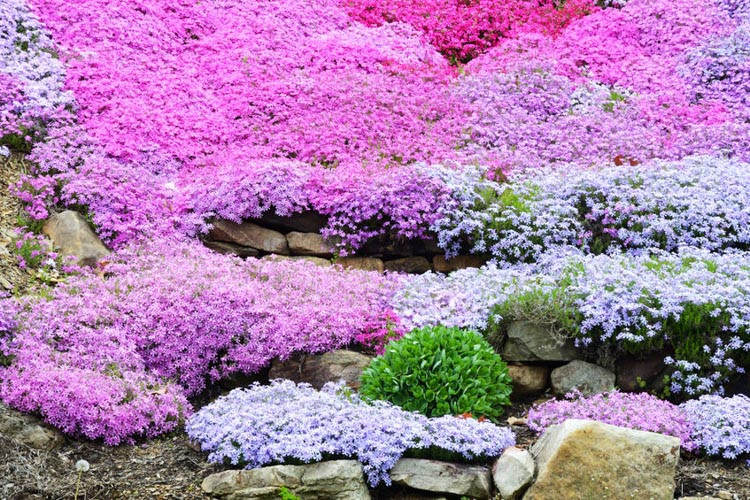
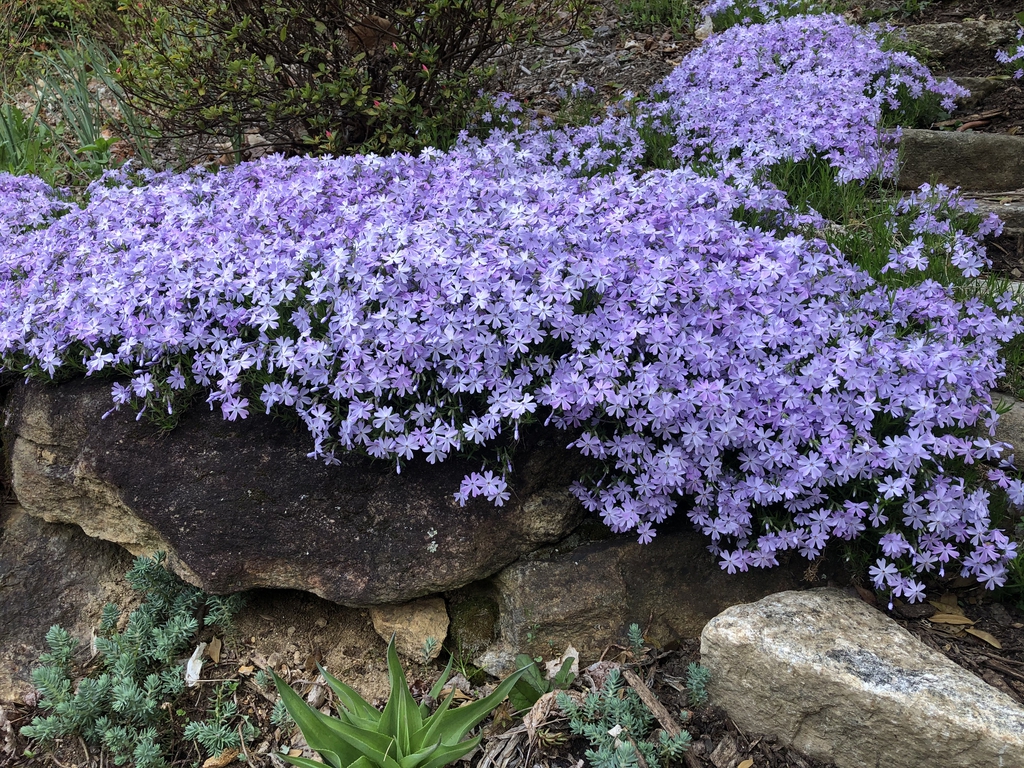
- Spectacular Blooms: Creeping Phlox produces a vibrant, carpet-like display of star-shaped flowers in the spring that’s a real show-stopper.
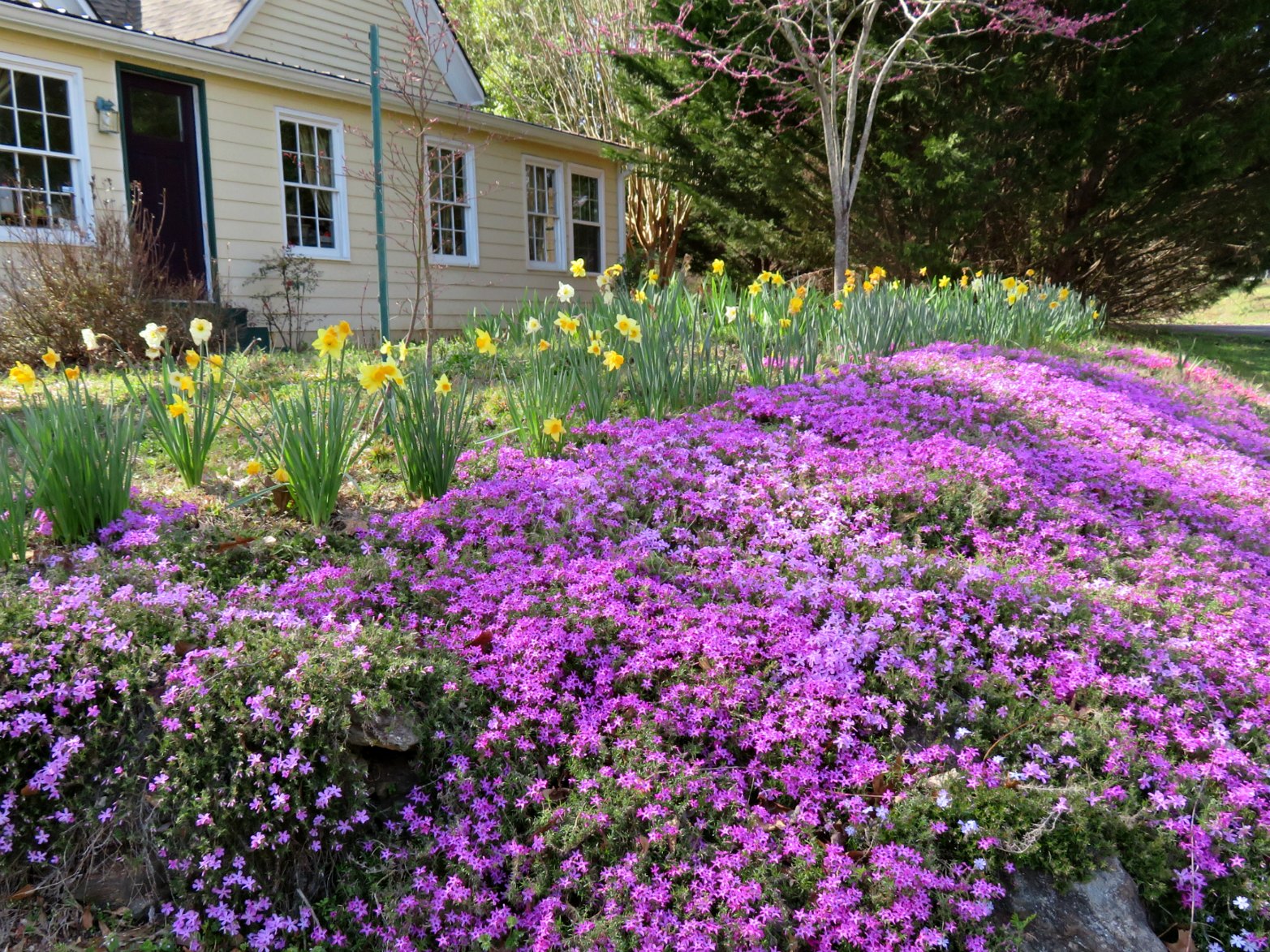
- Groundcover: Its creeping habit makes it an excellent choice for a groundcover. It fills in areas quickly, helping to crowd out weeds and prevent soil erosion.
- Easy to Maintain: Once established, Phlox subulata requires little care. It’s drought-tolerant and isn’t picky about soil, though it prefers well-drained conditions.
- Attracts Pollinators: If you’re looking to attract butterflies, hummingbirds, and other pollinators to your garden, Creeping Phlox is an excellent choice.
![Using Georgia Native Plants: Phlox – An American Perennial]()
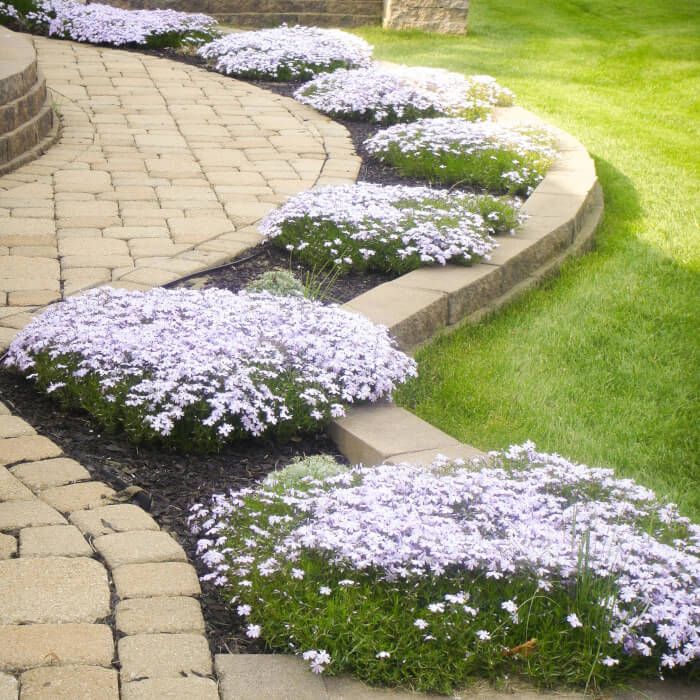
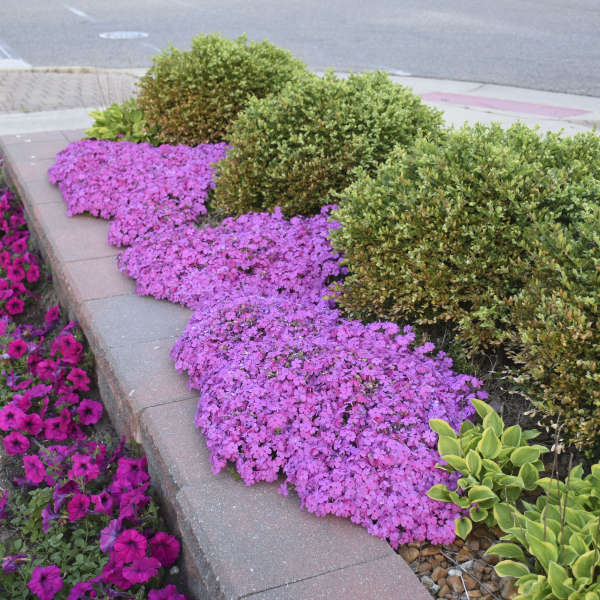
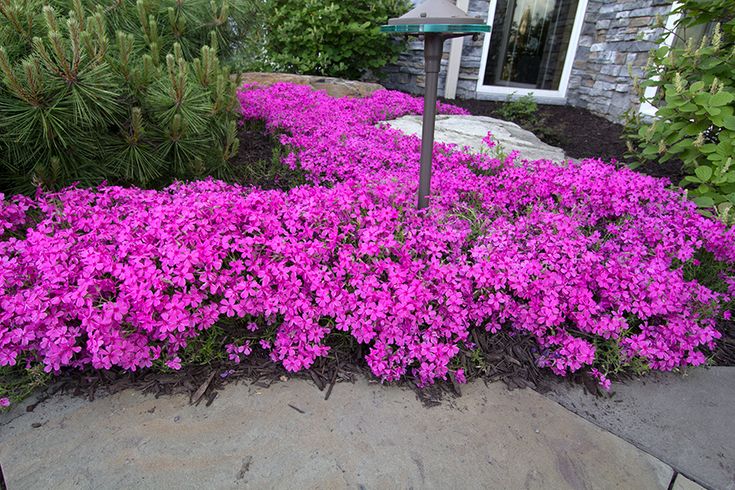
- Versatility: Creeping Phlox is excellent for a variety of landscaping uses, including rock gardens, border fronts, edging, and as a lovely carpeting over bulb beds.
- Deer and Rabbit Resistance: While no plant is entirely deer or rabbit-proof, Creeping Phlox tends to be resistant to these common garden pests.
- Seasonal Interest: In addition to its spring bloom, its evergreen needle-like foliage provides visual interest in the garden year-round.
![Creeping Phlox 'Home Fire's' | Purple flowers garden, Ground cover plants, Creeping phlox]()
Growing Tips
Location: Prefers full sun but can tolerate light shade, especially in hot climates, for denser blooms.
Soil: Requires well-drained soil, amend with compost for better drainage, especially in heavy clay soil.
Watering: Drought-tolerant once established, water regularly in the first year for strong root development.
Feeding: Apply slow-release, balanced fertilizer in early spring for healthy growth and abundant flowering.
![Phlox subulata (Creeping Phlox, Flowering Moss, Ground Pink, Moss Phlox, Moss Pink, Moss-pink, Mountain Pink, Rock Phlox, Thrift) | North Carolina Extension Gardener Plant Toolbox]()
Pruning: Trim after blooming to maintain shape and encourage denser growth, preventing woody centers.
Mulching: Optional, but a light layer helps retain moisture and suppress weeds.
Propagation: Easily propagated through division every few years in spring or early fall.
Pests/Diseases: Watch for spider mites and powdery mildew, ensure good air circulation and avoid overhead watering to prevent fungal issues.








(1).jpeg?w=768&h=768)