🎁💐 Don't forget to get some for your family and friends as it's a unique gift idea.
✅ Guarantee! Magazine GoogleTrusted!
🛒Payment 🛒Payments via PayPal® and credit card
🚢Shipping>> Worldwide express shipping available.
👍Facebook officially recommends high-quality merchants.
💵 A security deposit of $100,000 has been paid to PayPal.
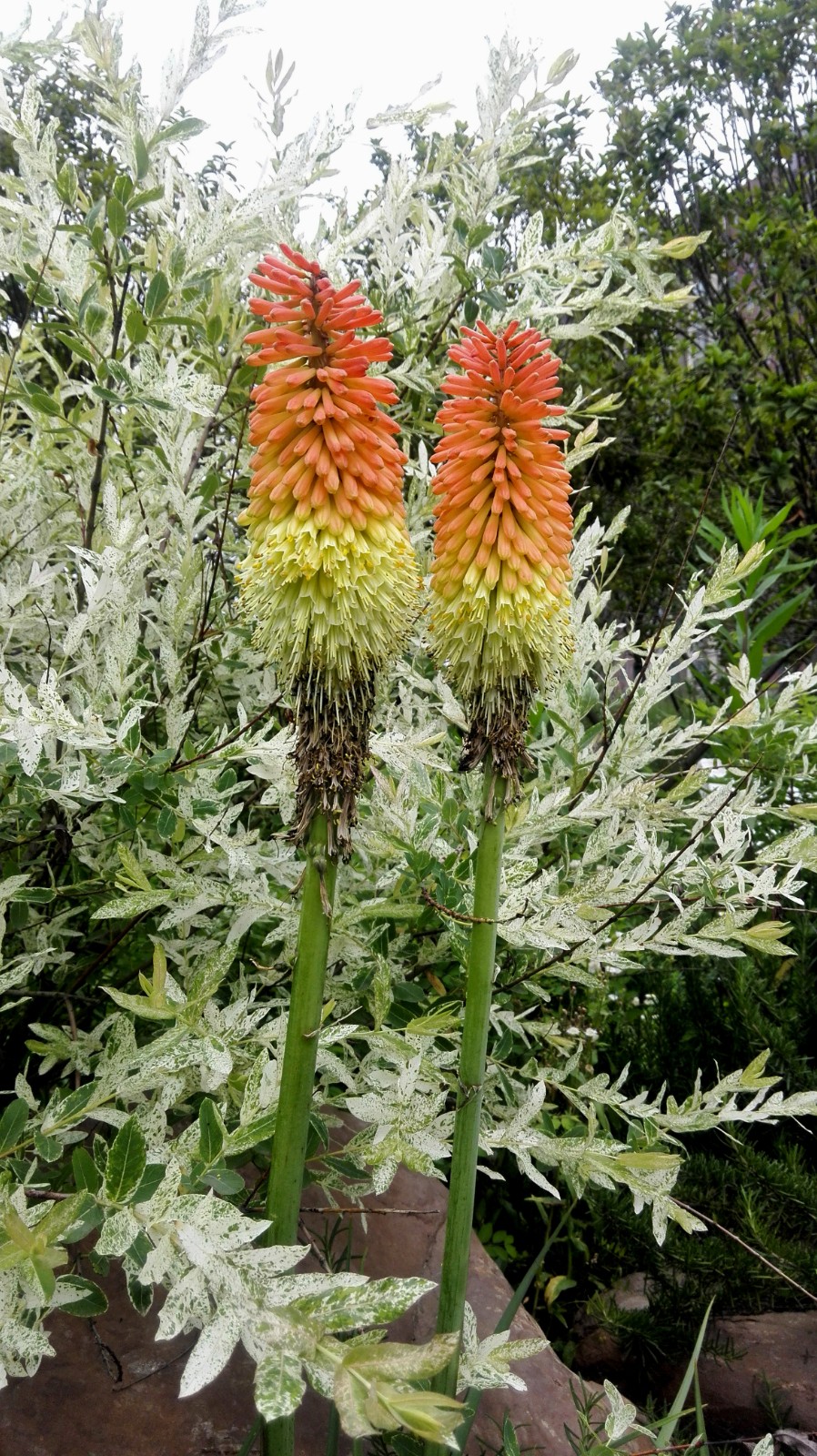
Kniphofia Radiant Rhizomes | Traffic Lights
Kniphofia - a perennial plant that currently belongs to the subfamily Asphodeloideae but previously it belonged to the family Liliaceae.
The main name of the sea buckthorn plant is given after the botanist Johann Hieronymus Kniphof. Although this plant can be called by other new names, it has a very common name, other names such as: tritoma, notoskeptrum, torch lily.
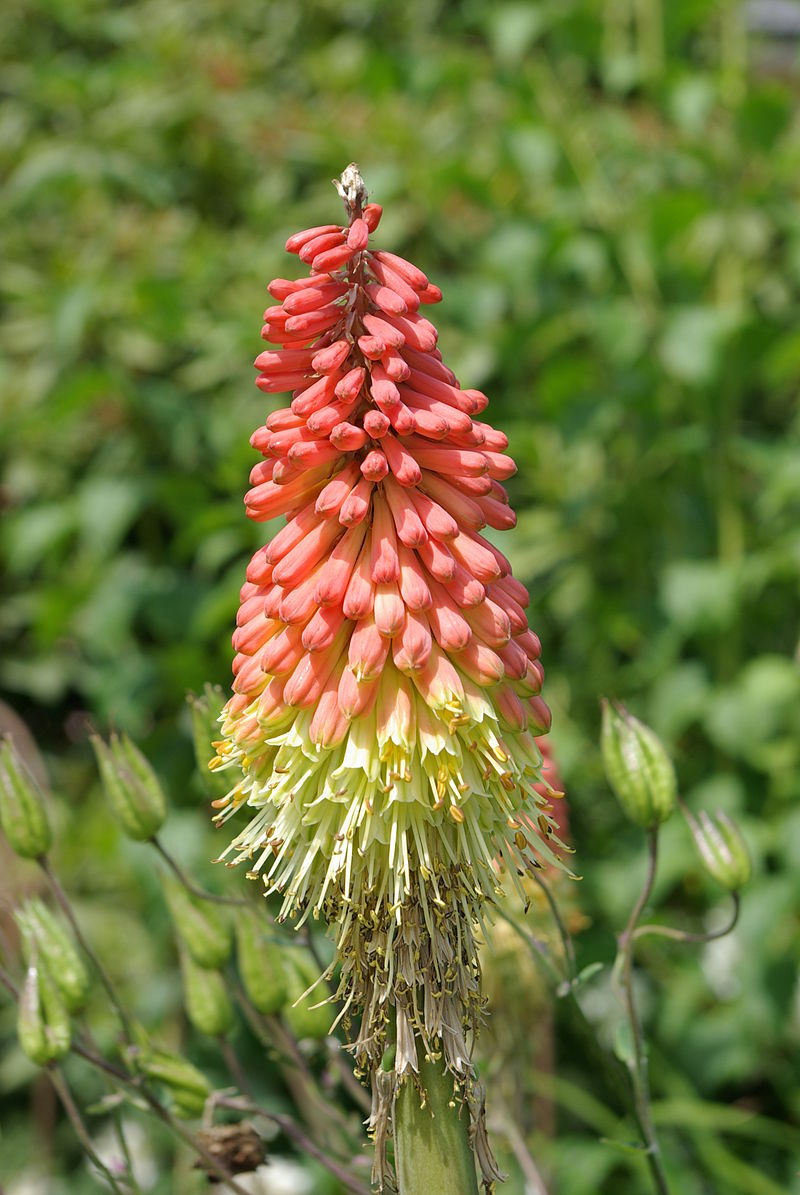
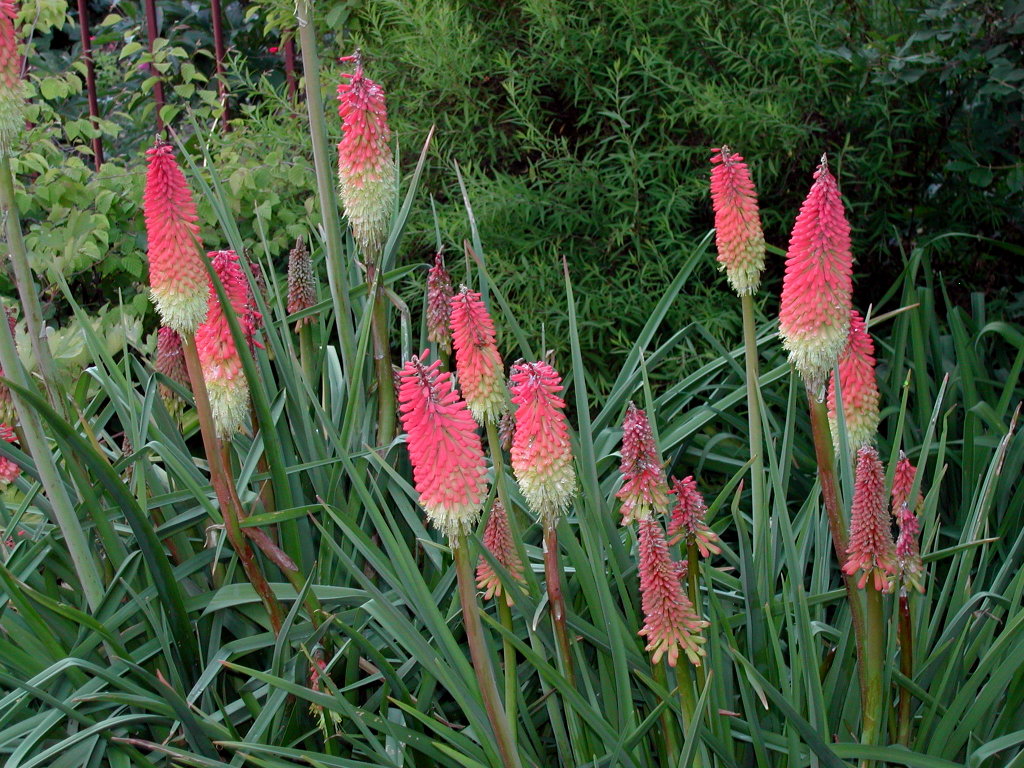
The plant has a very short and thick root, sword-shaped blue-green leaves, collected near the root rosette with an unusual inflorescence, located higher on the axis of the inflorescence (30-100 cm). Small flowers are collected in dense spikes, like round brushes or brooms, and can be red, fiery, orange, crimson, yellow or green.
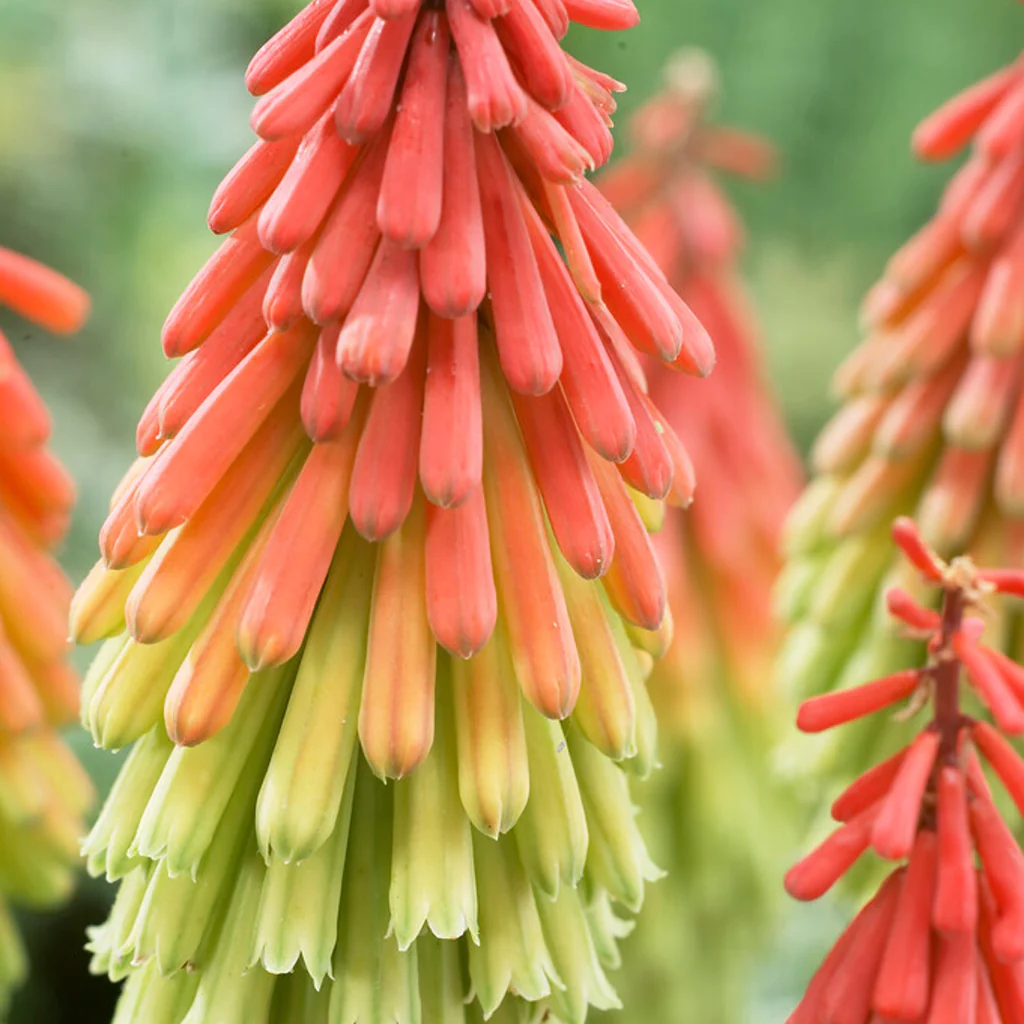
Get ready to stop, slow down, and then get fired up for this new variety of torch lily! Kniphofia Traffic Lights makes both people and pollinators slow down to admire the abundant flower stalks. Tubular flowers in rich hues of coral red, amber, and pistachio green adorn the tall spires, while attractive blue-green foliage forms a rosette at the base.
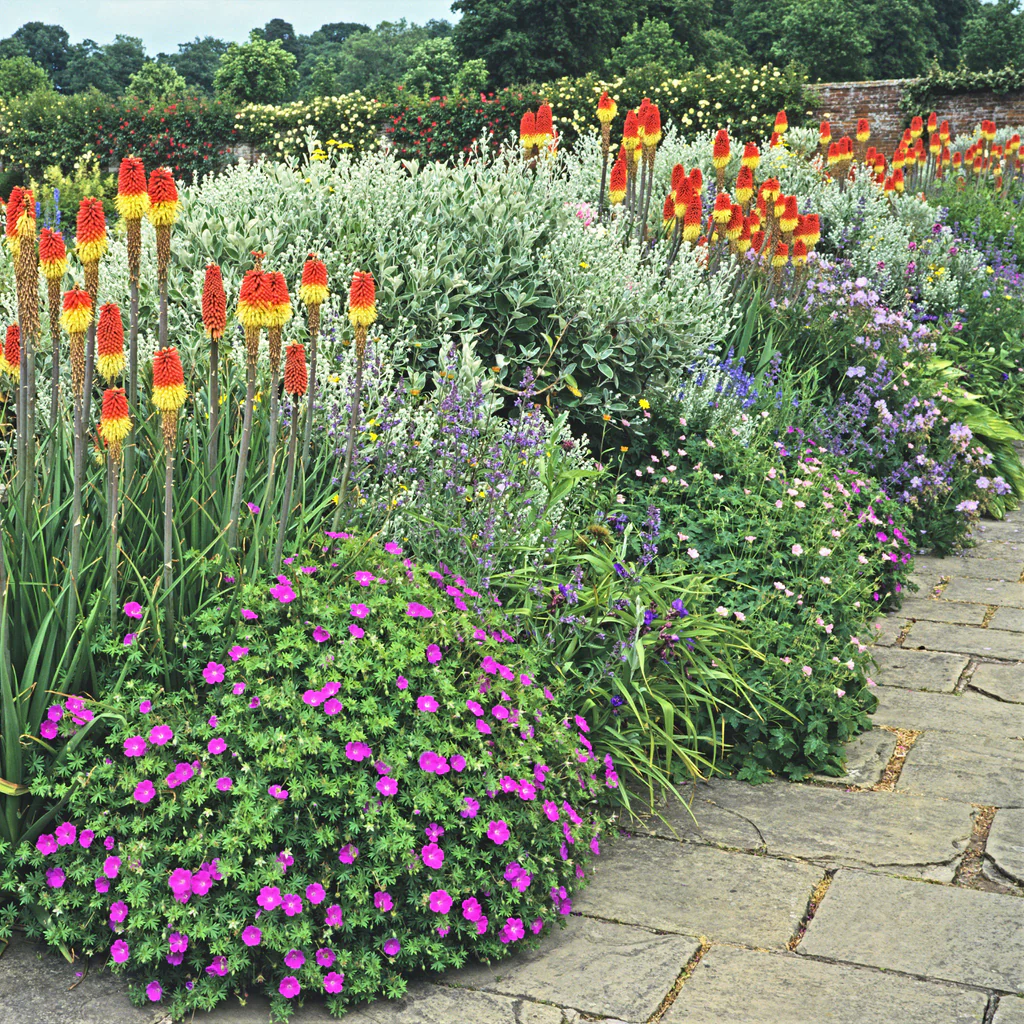
In addition to its vibrant color, this spectacular variety only reaches 16 to 20 inches tall, although shorter varieties are sometimes available. This is highly unusual and much shorter than many others in this clan. An easily manageable height makes this dwarf torch lily the perfect choice for gardeners with limited space. Grow this bright red charmer in containers or along the front of flower beds. Enjoy!
Steps:
-
Prepare the Seed Trays or Pots:
- Fill seed trays or small pots with a well-draining seed compost or potting mix. Lightly water the soil so that it is moist but not soggy.
-
Sow the Seeds:
- Sow the Kniphofia seeds on the surface of the compost. Press them lightly into the soil but do not cover them with soil as they need light to germinate.
-
Moisten the Seeds:
- Use a spray bottle to lightly mist the surface of the soil to keep the seeds in place and ensure good seed-to-soil contact.
-
Cover and Place:
- Cover the seed tray or pots with plastic wrap or a clear plastic cover to create a humid environment. This helps retain moisture and promotes germination.
- Place the covered trays or pots in a warm location with plenty of indirect light. A temperature of around 70°F (21°C) is ideal.
-
Monitor and Maintain:
- Check the seeds regularly to ensure the soil remains moist. If it begins to dry out, mist it lightly with water.
- Germination typically takes 2-4 weeks but can vary depending on conditions.
-
Remove Cover After Germination:
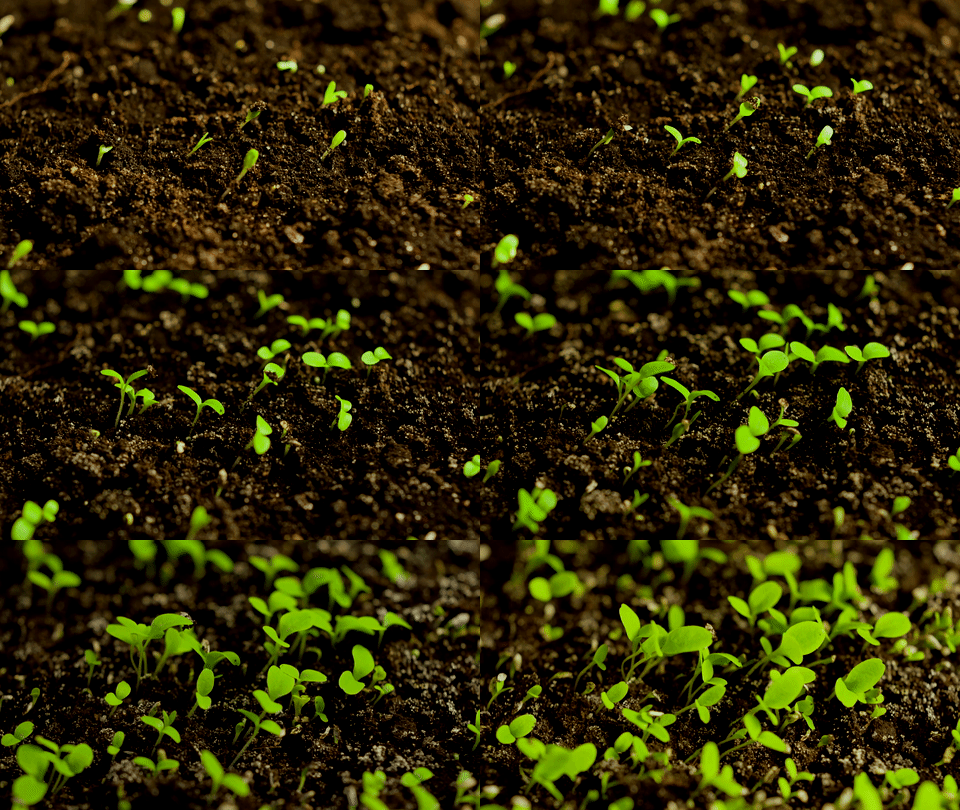
- Once the seeds have germinated and small seedlings appear, remove the plastic cover to allow air circulation and prevent damping-off disease.
- Move the seedlings to a bright spot with indirect light or under grow lights.
-
Transplant the Seedlings:
- When the seedlings have developed a few sets of true leaves and are large enough to handle, they can be transplanted into individual pots or directly into the garden.
- Space them about 18-24 inches (45-60 cm) apart in a sunny, well-drained location in the garden.
-
Provide Regular Care:
- Water the young plants regularly, especially during dry periods, but avoid overwatering.
- Kniphofia prefers well-drained soil and full sun, so make sure they are planted in a suitable location.
- As the plants mature, they will become more drought-tolerant.
-
Mulch and Fertilize:
- Mulch around the base of the plants to retain moisture and suppress weeds.
- Fertilize lightly with a balanced fertilizer in early spring to encourage growth and flowering.
-
Enjoy the Blooms:
- With proper care, Kniphofia plants will grow and eventually produce their striking, torch-like flower spikes, usually in their second year.
Growing Kniphofia from seeds requires patience, but once established, these hardy perennials can add vibrant color and unique texture to your garden for years to come.
![]()






(1).jpeg?w=768&h=768)