Introduction
Pepino Melon is an exotic fruit due to its unique shape and sweet taste. Native to the Andean regions of South America, this delicate fruit is cultivated for its juicy and aromatic flesh, which offers a subtle blend of melon and pear flavors.
![]()
Features
Pepino melon is distinguished by its smooth, yellow skin with purple stripes and sweet, cream-colored flesh. Each fruit typically weighs between 100 and 300 grams. It ripens even when picked, making it an excellent choice for export.
Consumption
Pepino melon is usually eaten raw. It is excellent when served fresh, sliced in fruit salads or as a refreshing snack. This fruit can also be transformed into delicious juices or smoothies and pairs perfectly with other exotic fruits. Its texture and mild taste also make it ideal for innovative culinary creations, such as sorbets or filled desserts.
Nutritional Values
Rich in vitamins A, C and K , pepino melon is also a good source of fiber and antioxidants, making it a healthy choice for a balanced diet. Its low-calorie content makes it perfect for those watching their weight.
![]()
Cultivation advantages☀️
-
Adaptability: Pepino Melon is remarkably adaptable to various climates, thriving in both mild and moderately cold environments. They can be grown outdoors in warm climates or in greenhouses in cooler regions, providing flexibility in cultivation.
-
Rapid Growth and Early Bearing: One of the most significant advantages of growing pepino melon is their rapid growth rate and early fruit bearing. pepino melon can start producing fruit within a few months of planting, which is quicker than many other fruit plants.
-
Continuous Yield: Once established, pepino melon plants can produce fruit continuously under optimal conditions. This continuous yield makes them highly productive throughout the growing season.
-
Low Maintenance: pepino melons are relatively low maintenance compared to other fruit plants. They require moderate watering, standard fertilization, and basic pest management, making them suitable for novice gardeners.
-
Attractive Market Value: Due to their exotic nature and unique flavor, pepino melons can fetch a premium price in markets, especially in areas where exotic fruits are in demand.
-
Health Benefits: Rich in vitamins and antioxidants, pepino melon offer health benefits such as boosting immune system function and reducing inflammation. This makes them appealing not only as a crop but also to health-conscious consumers.
![]()
Pepino melon Cultivation Method 🌱
Growing Conditions
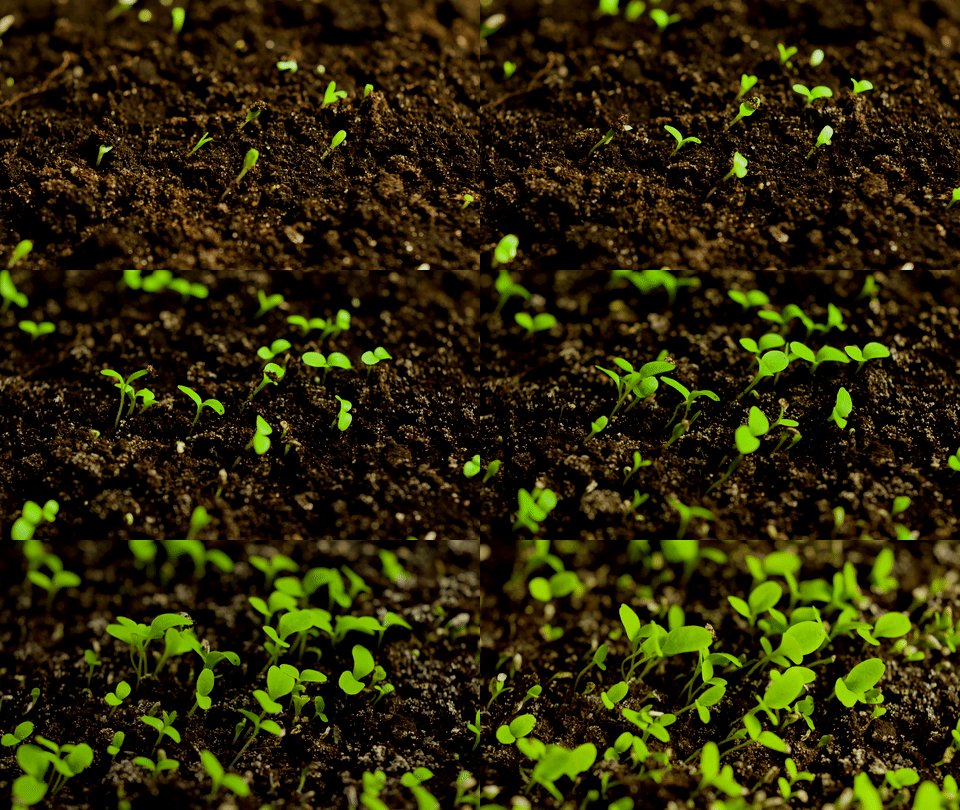
Pepino melon requires a mild climate, full sun exposure, and well-drained soil enriched with organic matter. For cold regions, greenhouse cultivation is recommended.
Plantation
Prefer cuttings for faster growth and better fidelity of fruit characteristics. Space plants 60 cm apart for optimal development.
Watering
Keep soil slightly moist without overwatering. Use mulch to conserve moisture and control weeds.
Fertilization and Maintenance
Fertilize regularly with a high potassium fertilizer to encourage fruiting. Monitor and treat preventatively for aphids and mildew.
Harvest
Harvest the fruits about 3 to 4 months after planting, when the skin turns yellow with purple stripes and the flesh is slightly soft to the touch.
These simplified instructions should help you successfully grow pepino melon, bringing a touch of the exotic to your garden.
![]()

-2.jpg?w=750&h=750&q=70)
-2.jpg?w=750&h=750&q=70)
-2.jpg?w=750&h=750&q=70)
-4.jpg?w=750&h=750&q=70)
-2-1.jpg?w=750&h=750&q=70)
-2.jpg?w=750&h=750&q=70)
-7-1.jpg?w=750&h=750&q=70)
-2-1.jpg?w=750&h=750&q=70)

-4.jpeg?w=750&h=750)
-2.jpeg?w=750&h=750)
-7.jpeg?w=750&h=750)




(1).jpeg?w=768&h=768)