Cart
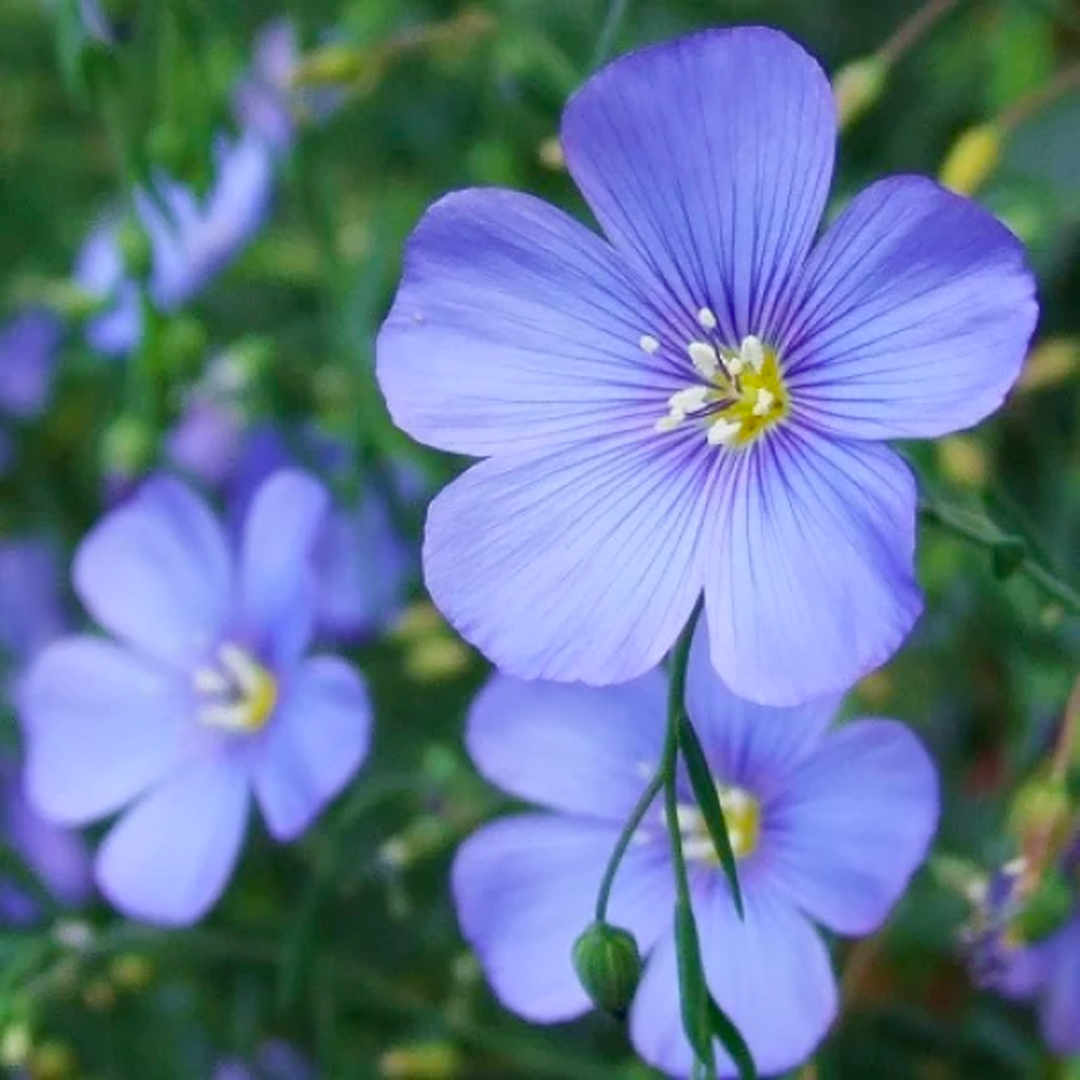
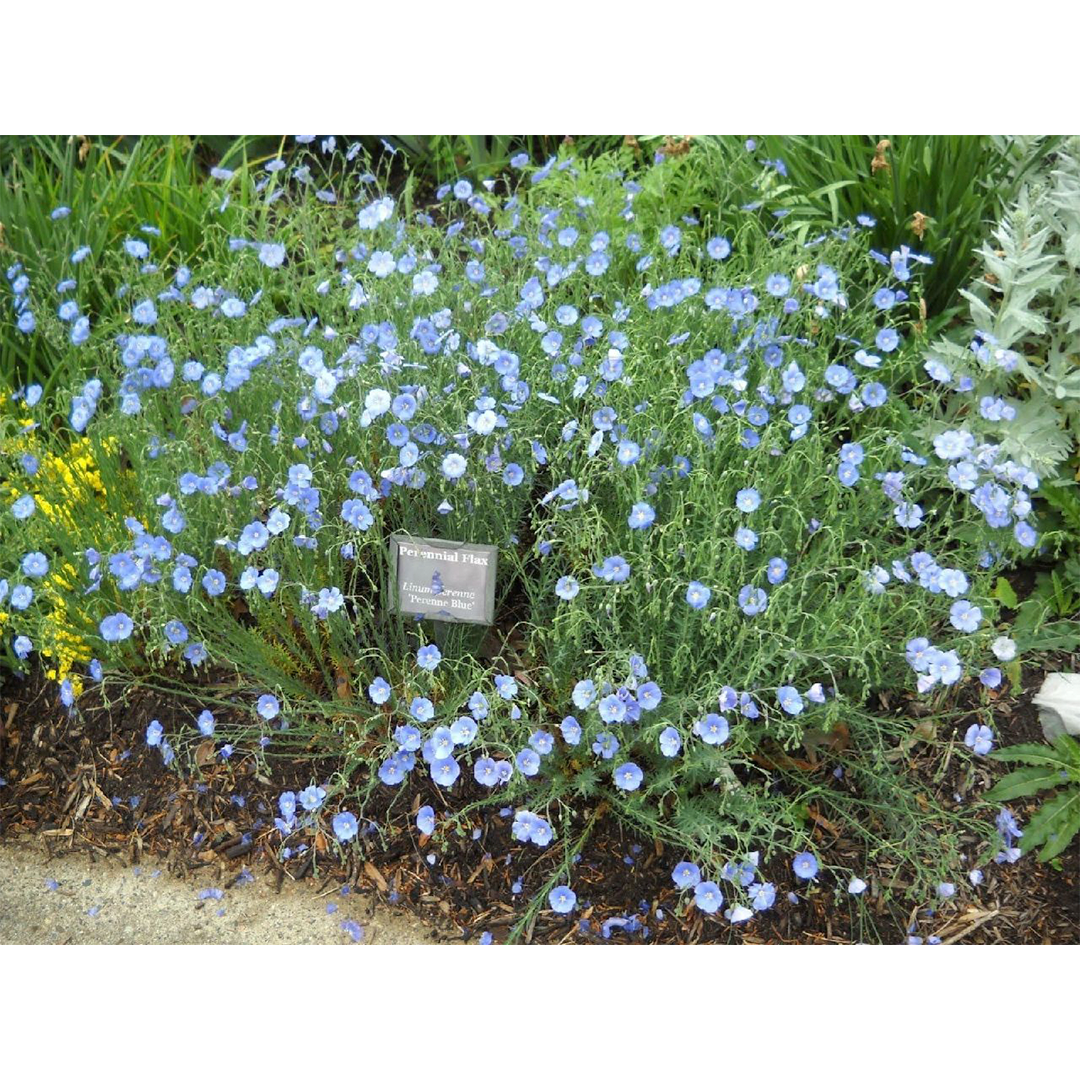
Perennial Blue Flax Seeds

Perennial Blue Flax Seeds

$7.98 USD
$0.00 USD
Pcs
20 Seeds
50 Seeds
100 Graines(🔥RECOMMANDÉ🔥)
200 seeds
Quantity
Only 1000 left
Volume Pricing
Quantity
Price
1+
$7.98 USD each

30 Days Money Back
Global free shipping $29+
Secure payment

Planting Perennial Blue Flax Seeds

About Flax

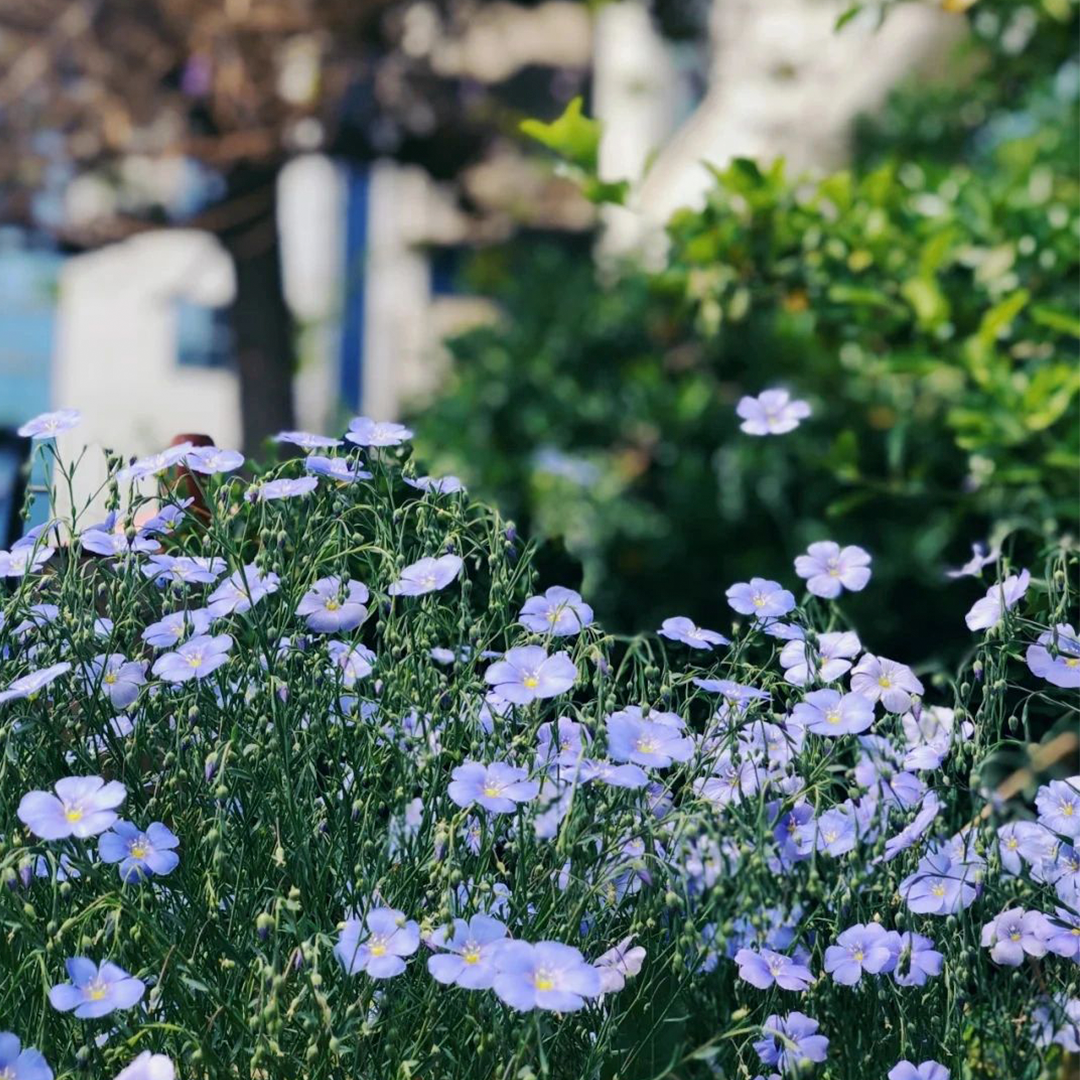
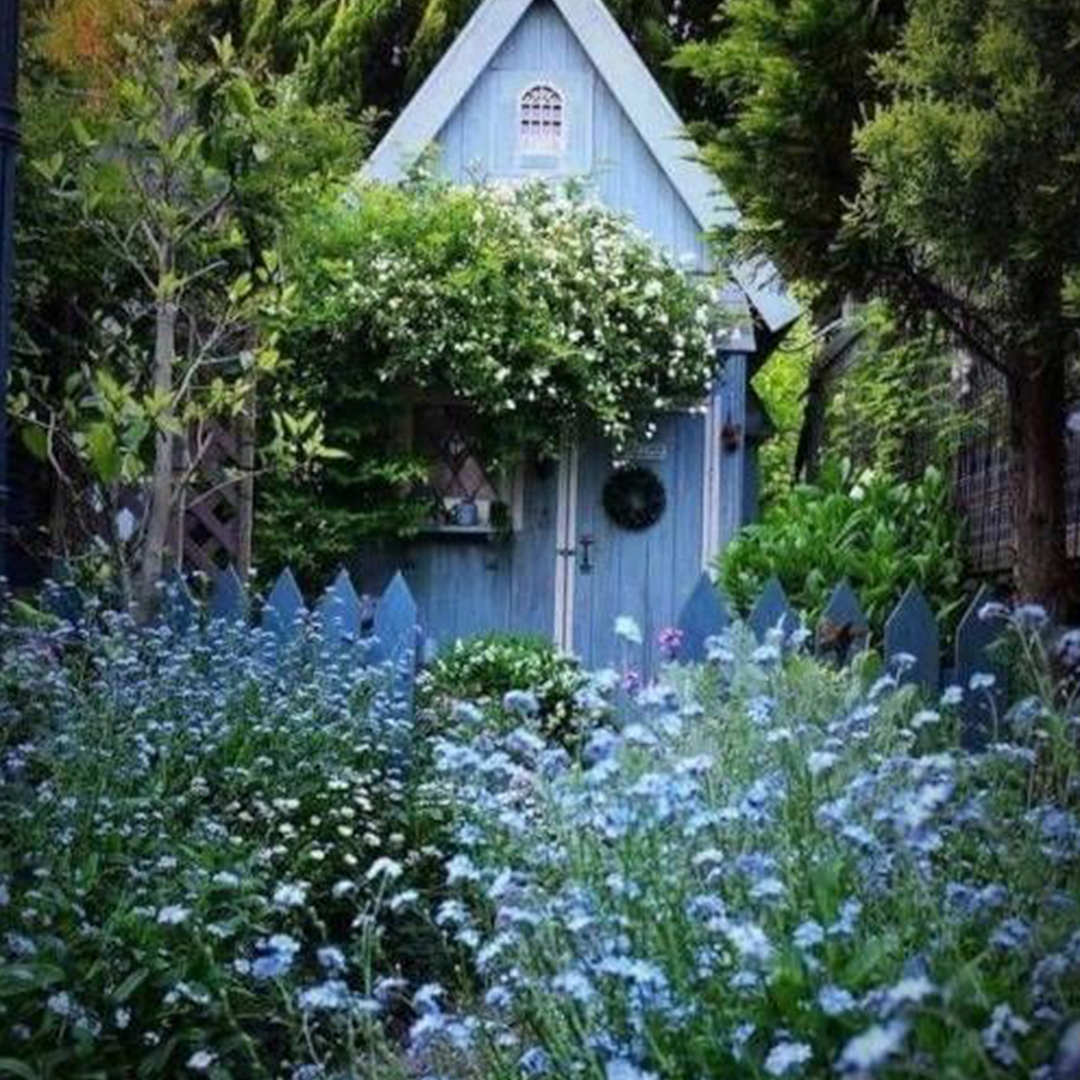
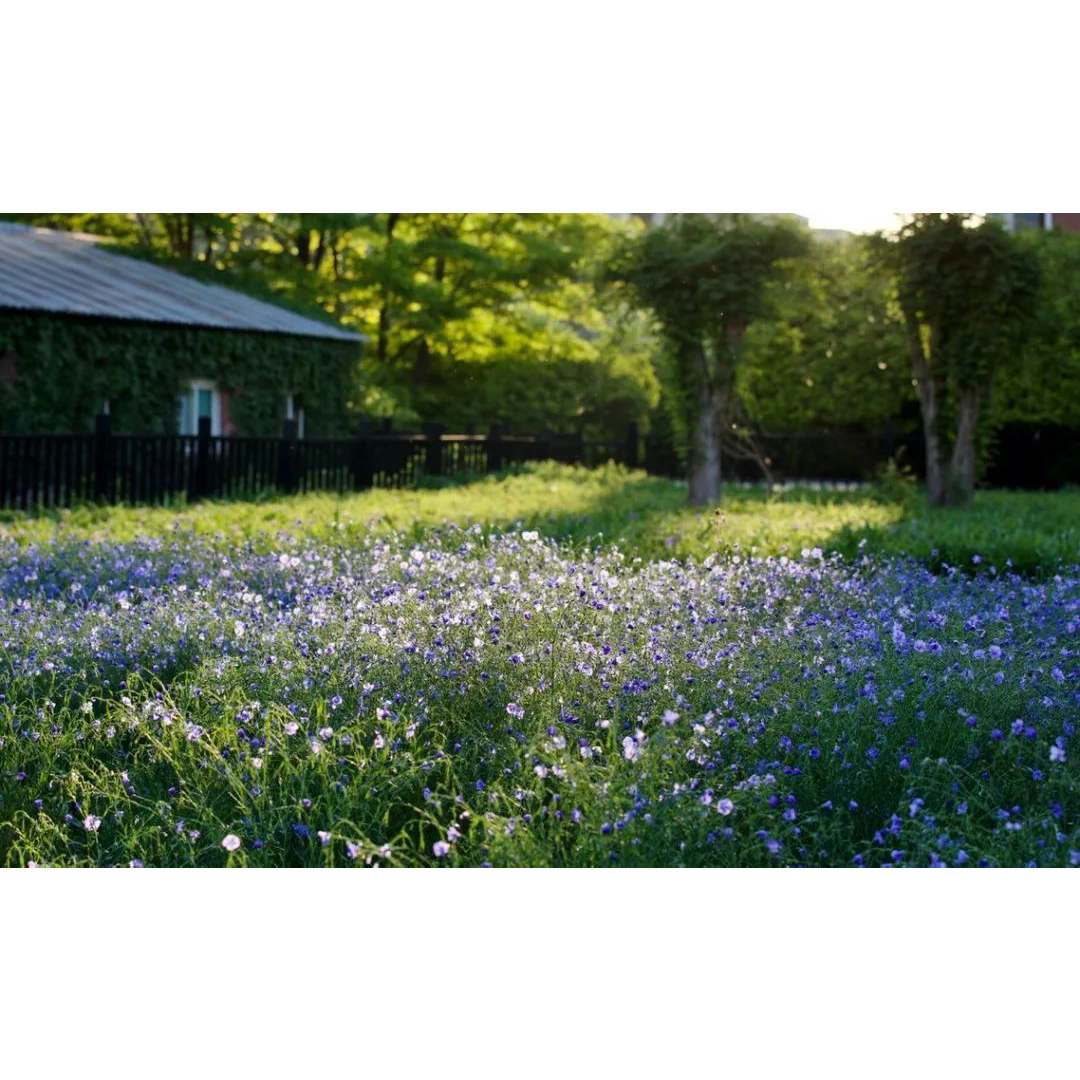
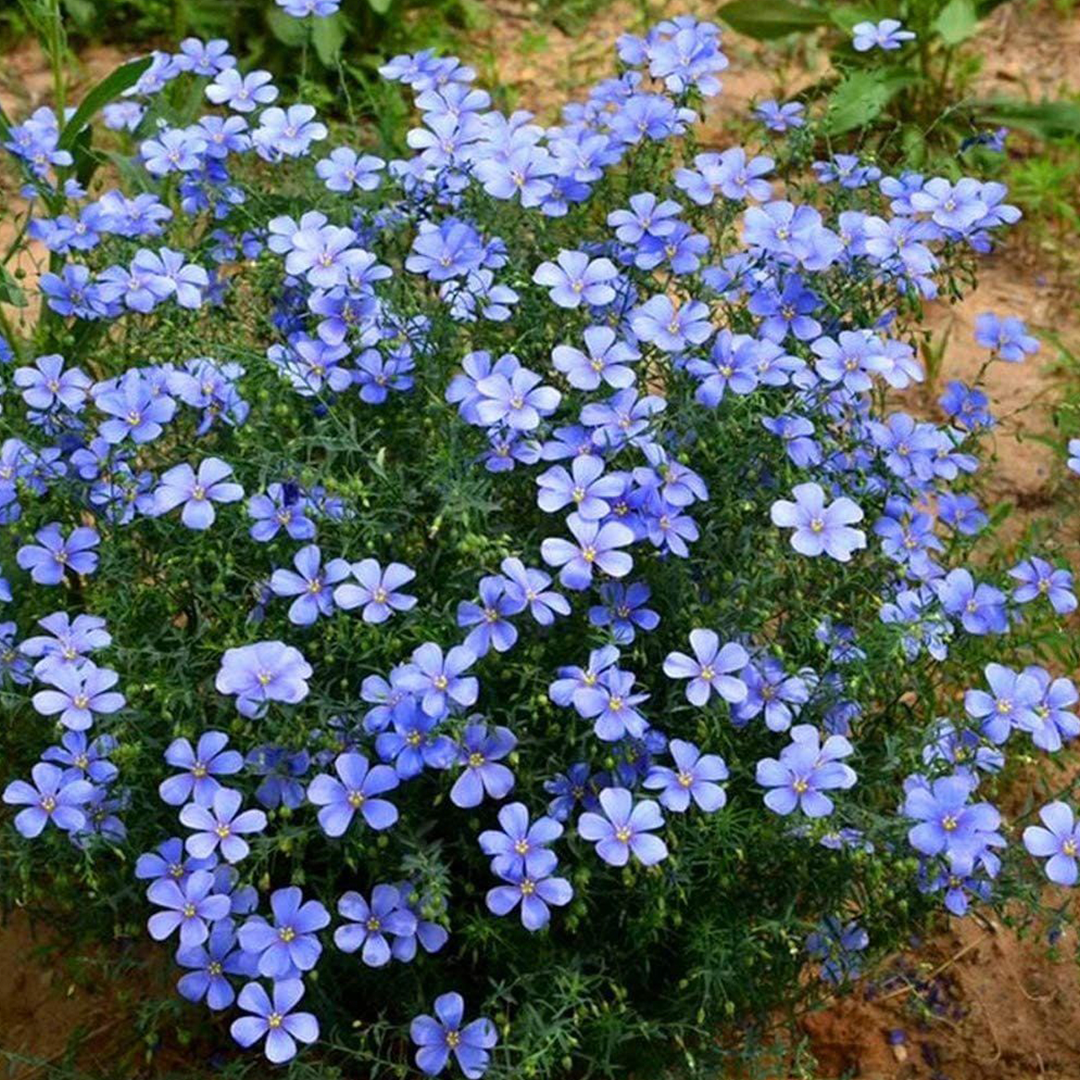
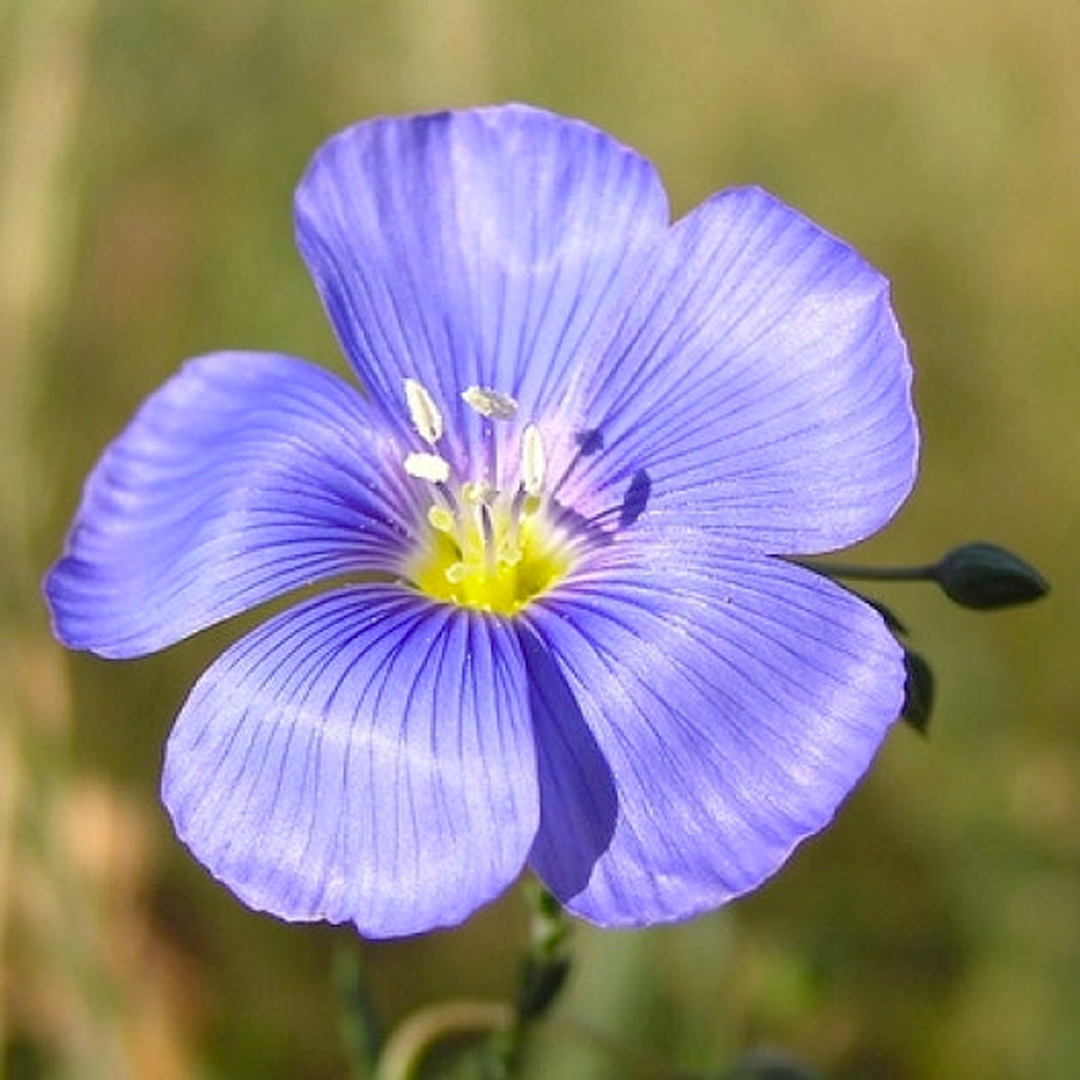
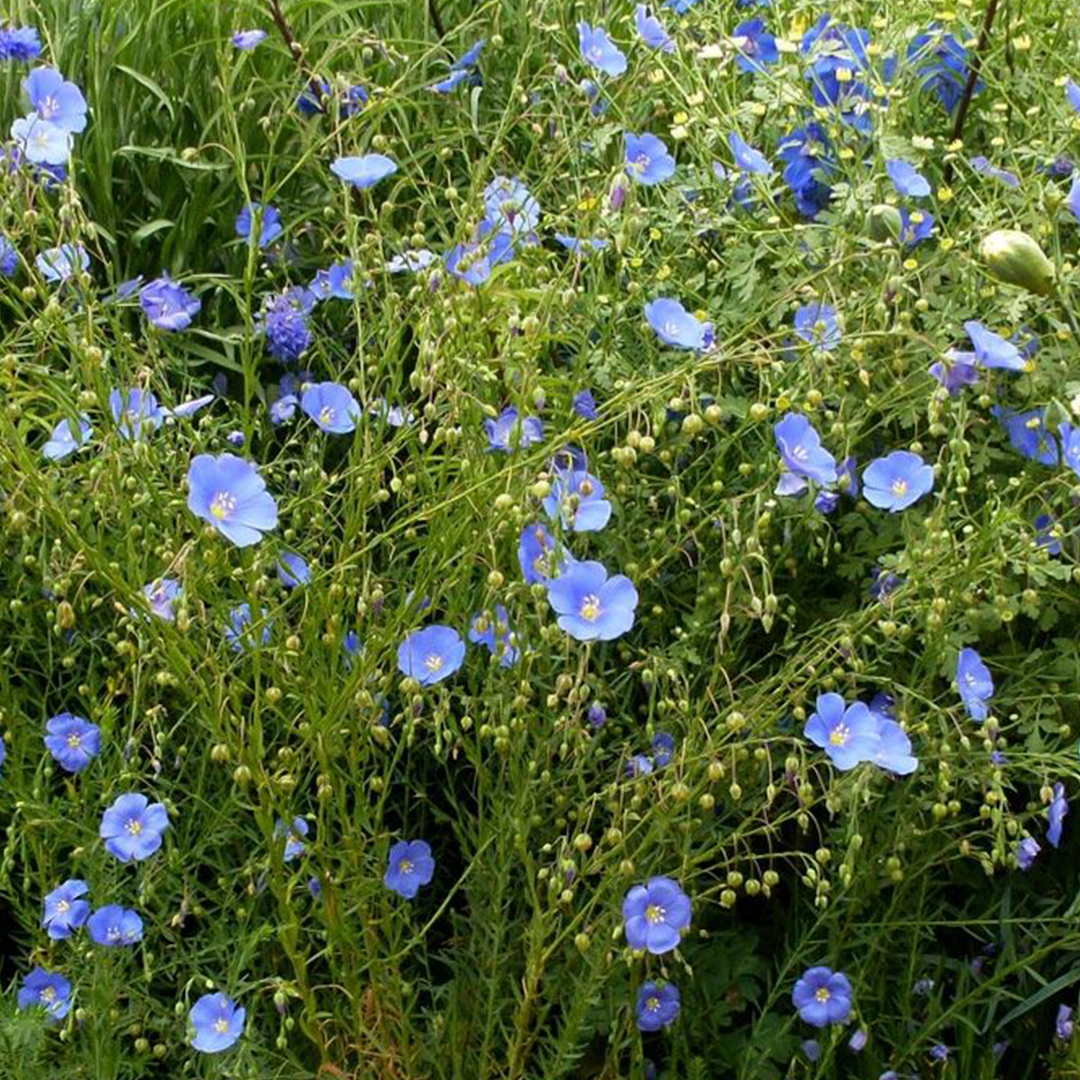
Easy to grow from seed, flax thrives in diverse conditions and is a classic choice for Cottage Gardens, as well as common in meadows and along roadsides.

When to Plant Flax Seeds

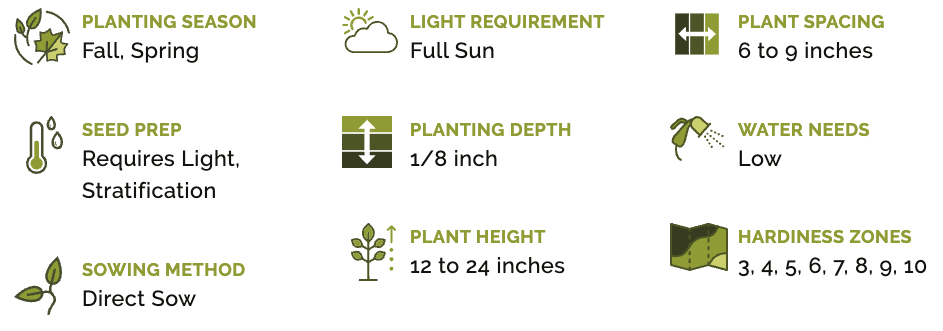
Being a cool-season variety, plant flax seeds as soon as the soil becomes workable in spring. Seedlings with a minimum of two leaves can withstand late-season frosts. In temperate climates, early fall planting is also a viable choic.

Where to Plant Flax Seeds

Cultivate flax in full sun and nutrient-rich, well-draining soil. While flax can adapt to various soil types, it's advisable to improve the soil in your planting area with organic matter, compost, or manure if it's of poor quality. Flax may face challenges in clay or excessively wet soil.

How to Plant Flax Seeds

1. Choose the Right Location

  • Flax thrives in well-drained, fertile soil and prefers a sunny spot.
  • It can be planted outdoors in the spring or fall, as it tolerates light frost.
  • Make sure the soil pH is between 6.0 and 7.0 for optimal growth.

2. Prepare the Soil

  • Till the soil to a depth of about 2 to 3 inches to loosen it.
  • Add organic matter like compost to enrich the soil and improve drainage.
  • Smooth the soil surface to remove any large clumps.

3. Plant the Seeds

  • Flax seeds are very small, so plant them shallowly. Scatter the seeds evenly over the soil or use a hand-held spreader.
  • For rows, space the seeds about 1 to 2 inches apart. If you're planting them in a garden bed, scatter them evenly and lightly rake them into the soil.
  • Cover the seeds with about 1/4 inch of soil to protect them.

4. Watering

  • Water the area gently after planting to help settle the soil around the seeds.
  • Keep the soil consistently moist but not waterlogged during germination.
  • Once the plants are established, flax is quite drought-tolerant and requires less frequent watering.

5. Care and Maintenance

  • Thin out seedlings if they are too crowded to allow for proper airflow and space for growth. Leave about 6 inches between each plant.
  • Keep the area free of weeds that may compete for nutrients and space.
  • Flax is a low-maintenance plant but may benefit from occasional feeding with a balanced fertilizer, especially if the soil is poor.

6. Harvesting

  • Flax will take about 90 days to reach maturity, with flowers blooming in mid-spring and seeds ripening in summer.
  • Harvest flax when the seed capsules are dry and begin to split open. You can also wait until the plant begins to turn yellow.

By following these steps, you can enjoy beautiful blue flax flowers and harvest flax seeds for various uses!

View more
View less
Our Guarantee
How To Pay