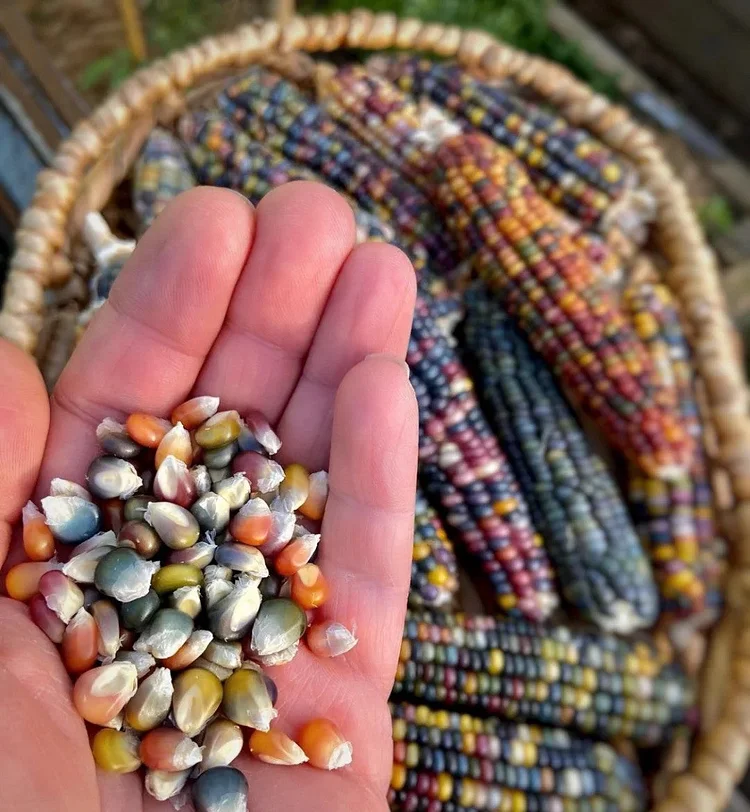
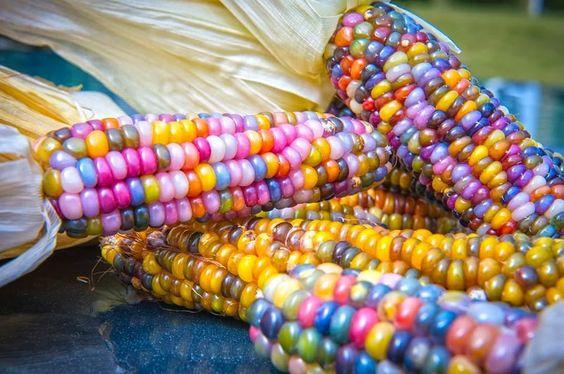
Extremely rare, this unique strain of flint corn was developed by Carl Barnes, who, before his passing, gave these seeds to friends who shared his passion for gardening.
We have been breeding and selecting corn varieties for years. We have worked to improve the translucency and color variation in this variety and can now boast 3 different strains including Glass Gem, Ruby/Amber and Pearl/Sapphire.
![]()
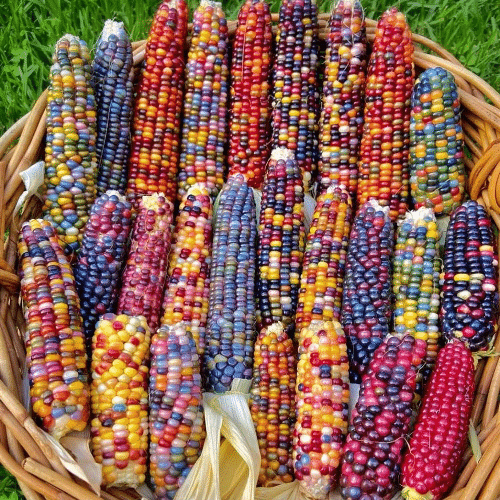
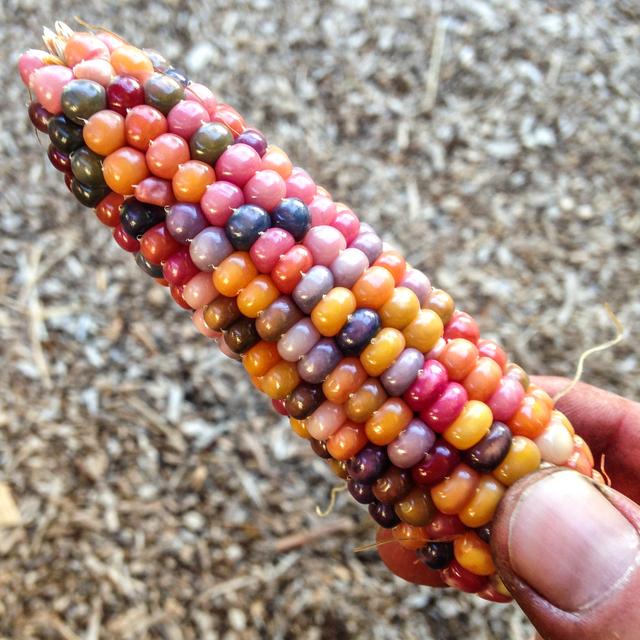
Glass Gem is a flint corn that can be made into a decent popcorn or ground into flour. We think it's just gorgeous to look at.
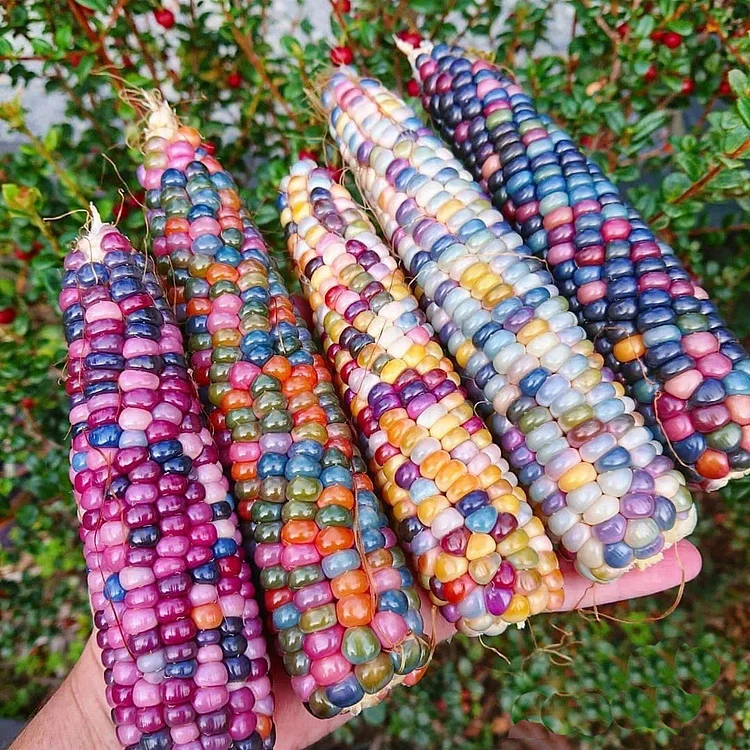
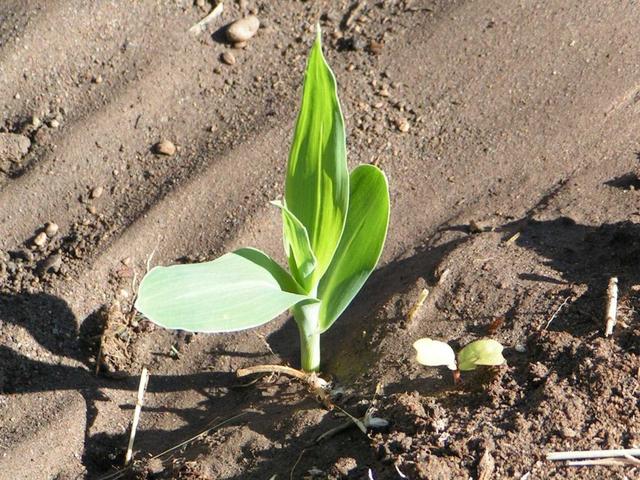
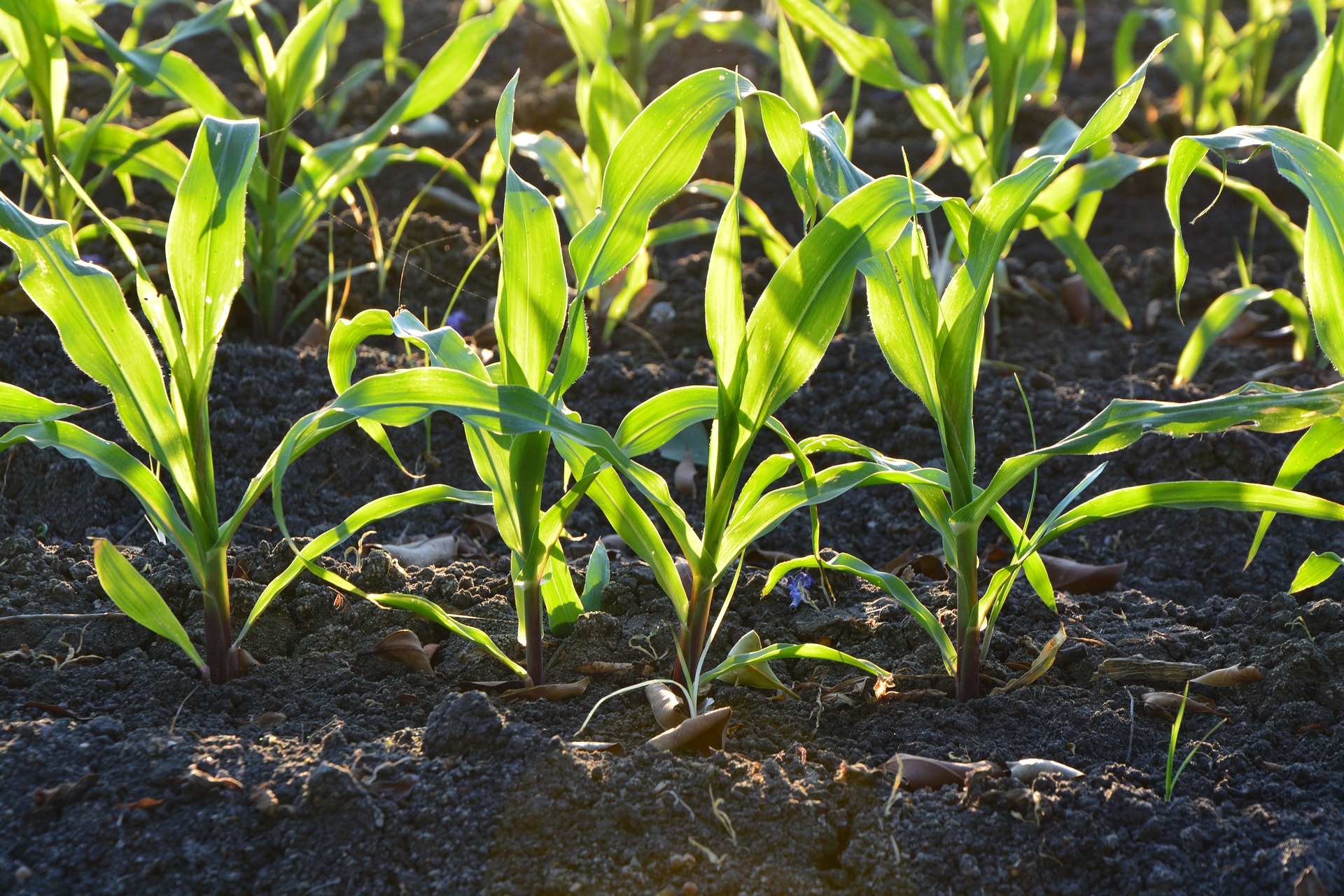
Sow seeds outdoors 1 inch deep after danger of frost has passed. You should only need to plant 1-2 seeds per space about 8 inches apart. For good pollination and full heads, plant in blocks of 3-6 rows instead of one long row. Corn is a heavy feeder and does best in well-drained, fertile soil with plenty of water. Each ear of Glass Gem corn produces beautiful and different colors.
![]()
Botanical Name: Zea mays
Days to Maturity: 65–80 days
Family: Poaceae
Origin: Americas
Hardiness: Frost-sensitive annual
Plant Size: 1.5 m tall
Variety Information:
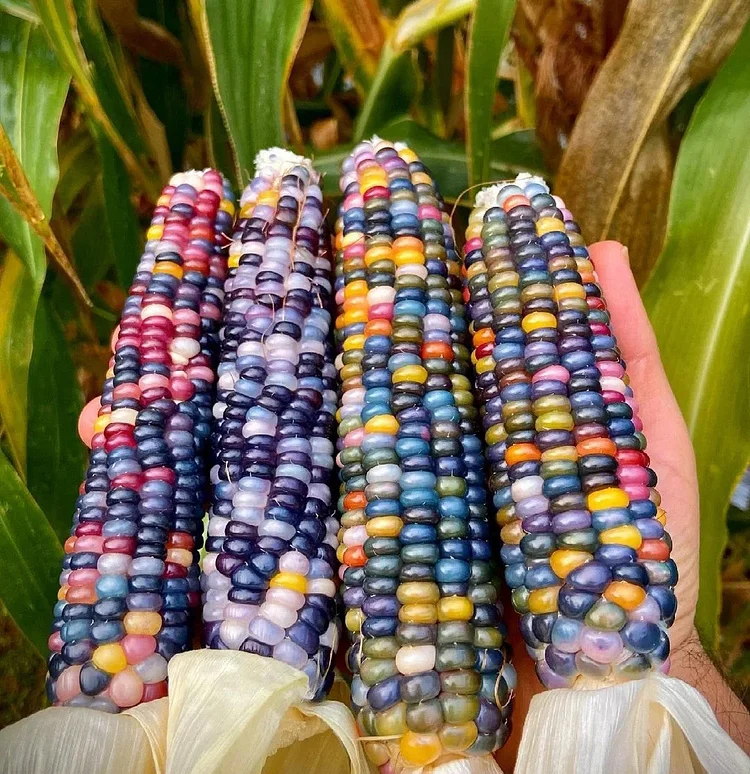
18 cm long ears with yellow, red, purple, blue and white kernels. Open pollinated. Kernel color is light at fresh consumption stage. Darker colors develop as ears dry for a colorful and unique ornamental corn.
Planting method:
1. Depending on the temperature, the germination time will also be affected. When spring corn is sown, the soil temperature is low, and the corn germination time may exceed ten days; when the average temperature reaches about 20-30 ℃, the germination time is relatively fast. If the water and oxygen are sufficient, it can germinate in about 3 days.
2. The planting density of 80 x 25 cm or 75 x 30 cm should be used for cultivation, which is expected to achieve a high rate of qualified ears and a high yield of fresh fruit ears.
3. The amount of fertilizer should be increased or decreased according to the soil fertility in the field. Usually, a ratio of N: P2O5: K2O = 120~150: 90: 60 kg/ha is appropriate. All of the phosphate and potassium fertilizers and half of the nitrogen fertilizer are used as base fertilizer, and the remaining half of the nitrogen fertilizer should be used as top dressing fertilizer and should be applied during soil cultivation and before silking. This should result in a high rate of qualified ears and a high yield of fresh fruit ears.
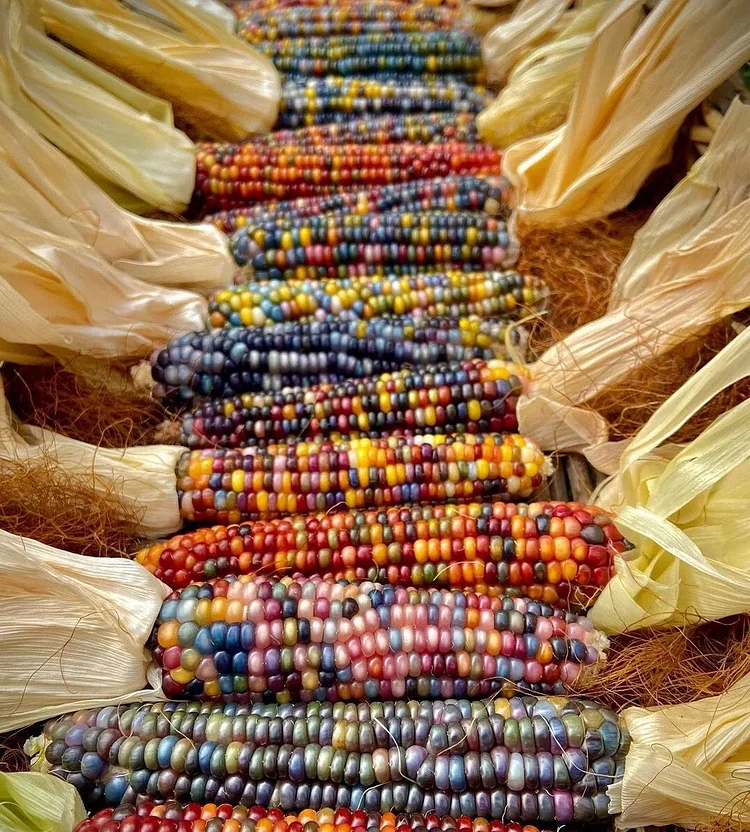
4. So what does it taste like? Since it is rich in starch, most people use it to grind it into corn flour, to make tortillas or polenta. It can also be used to make popcorn (do you like rainbow popcorn?). In addition, rainbow corn is great for decoration.
![]()
![]()





(1).jpeg?w=768&h=768)