🎉 Free Shipping on Orders Over €29
✈️ Buy More, Save More 💰
🌺 Introducing Rare Primula filchnerae: Beauty lost and found!! 🌈
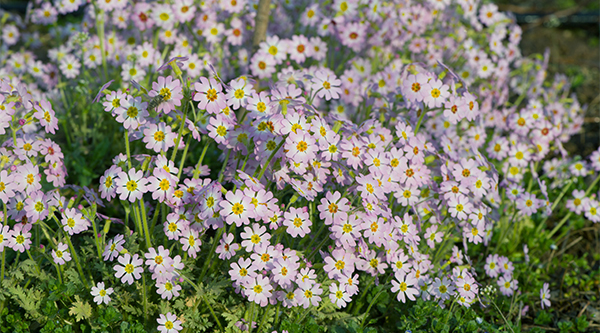
Did you know that Rare Primula filchnerae had disappeared for over 100 years and was listed as an endangered species until recent years when a flower enthusiast found it again in the wild, and it took breeding and seed saving to bring this beautiful flower back into the public eye? It is definitely one of nature's most precious gifts to us!
![]()
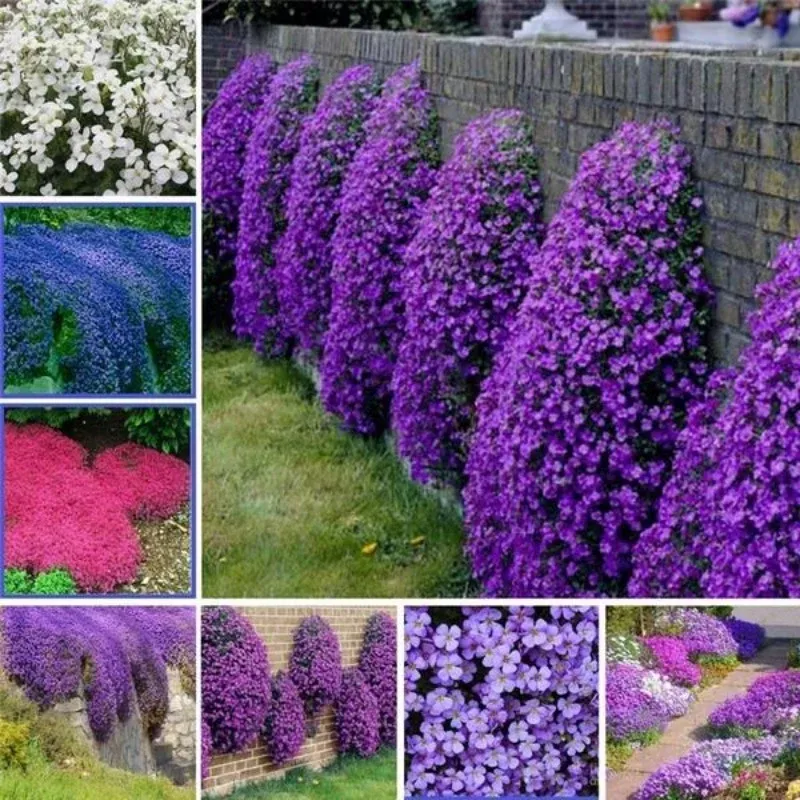
🌸Rare Primula filchnerae a pot can grow more than 20 flower swords, the leaves are as furry as feathers, with a silvery glow, the flowers are like cherry blossoms, fresh and elegant pink-purple with a light fragrance.
![]()
❄️ Cold-Hardy:Rare Primula filchnerae is known for its ability to tolerate cooler temperatures. It can endure frost and may even benefit from a period of winter chill.Rare Primula filchnerae is suitable for USDA Hardiness Zones 4-7.If you're in a region within this zone range, the plant is likely to exhibit good hardiness.
![]()
⭐️Easy to grow and maintain, not much fertilizer needed, shade tolerant, few pests and diseases.
![]()
🌱 Perennial Charm: As a perennial, this primrose returns year after year, rewarding gardeners with its enchanting blooms.
![]()
🏞️ Alpine Resilience: Rare Primula filchnerae can thrive in challenging mountain environments and are resilient to cooler temperatures and rocky soils, making them an ideal companion for alpine gardens.
![]()
🌱Rare Primula filchnerae:Planting Guide
1. Location:
Sunlight: Choose a location with partial shade to filtered sunlight.
Temperature: Prefers cooler temperatures. If in a warmer climate, select a spot with morning sun and afternoon shade.
2. Soil:
Well-Draining Soil: Ensure the soil is well-draining and rich in organic matter. Sandy or loamy soil with good drainage is ideal.
pH Levels: Maintain a slightly acidic to neutral soil pH (around 6.0 to 7.0).
3. Planting:
Planting Depth: Plant at the same depth it was growing in the nursery pot.
4. Watering:
Keep the soil consistently moist but not waterlogged. Water when temperature.
5. Fertilization:
Light Feeding: Apply a balanced organic fertilizer in early spring. Primula filchnerae generally doesn't require heavy feeding.
6. Propagation:
Seeds: Start from seeds in a well-prepared seed-starting mix. Maintain consistent moisture until germination.
Division: Divide established clumps in early spring for propagation.
7. Pruning:
Deadheading: Remove spent flowers to encourage continuous blooming.
Trimming: Trim back any damaged or yellowing foliage to maintain plant health.
Package Included:20/50/100/200 Seeds
![]()

.jpg?w=1080&h=1440&q=70)
.jpg?w=1080&h=1440&q=70)
.jpg?w=1080&h=1342&q=70)
.jpg?w=1080&h=1439&q=70)
.jpg?w=1080&h=1440&q=70)
.jpg?w=1080&h=1440&q=70)
.jpg?w=1080&h=1440&q=70)

.jpeg?w=1080&h=1264)
.jpeg?w=1080&h=1440)
.jpeg?w=1080&h=1440)
.jpeg?w=1080&h=1440)
.jpeg?w=1080&h=1342)



(1).jpeg?w=768&h=768)